
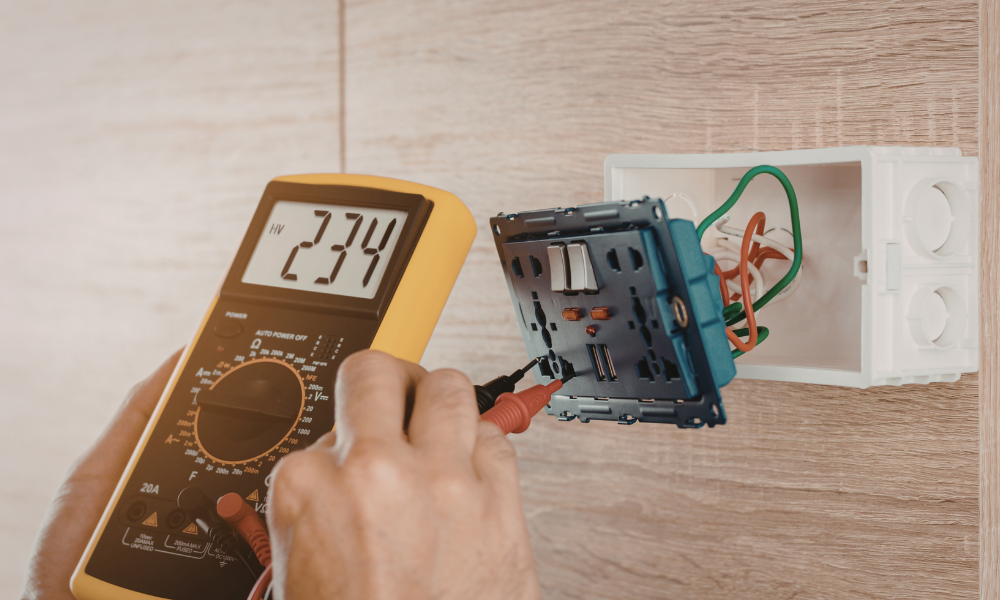
Electrical wire installation is an important part of setting up any building, whether it is a cozy home or a busy business. Understanding how to approach this task can be intimidating at first, but breaking it down makes it easier. By simplifying electrical wire installation, we aim to improve safety and make the process more approachable.
Careful planning, preparation, and a logical approach can make the wiring process less stressful even for beginners. Join us as we examine some straightforward ways to make this task less challenging and see how a methodical approach can provide excellent results, whether the project is large or small.
Understanding Wiring Basics
The first step to simplify electrical wire installation is becoming familiar with the different types of wires and their uses. In residential settings, you’ll often find NM cables, also called Romex, useful for standard wiring needs.
Commercial spaces might require more complex wiring, like MC cables, which offer extra protection. Understanding the difference between low-voltage and standard-voltage systems is also helpful when planning wiring layouts in various rooms or areas.
Wiring in modern homes and businesses can support a variety of systems, from lighting and outlets to dedicated appliance lines and low-voltage wiring for things like security and data connections. Knowing the terms used in wiring can help make sense of the process. For example, understanding the difference between a circuit breaker and a fuse can help avoid confusion during installation.
Recognizing a ground wire versus a neutral wire is another key aspect. It is also important to learn how different combinations of wires work together, such as hot, neutral, and ground, which are present in most circuits. Knowledge is important, and grasping these basics lays a solid foundation for any wiring project.
Every building, regardless of its use, must comply with electrical codes for wire sizing and protection, circuit load, and the use of junction boxes. Early planning and knowing what code regulations apply can save time and prevent rework later on. Electrical panels should be clearly labeled so each circuit can be identified, assisting with ongoing maintenance and repairs.
If your project requires code-compliant wiring practices or advanced troubleshooting, InLight Electric LLC offers expert help for both residential and commercial installations, including new construction and remodels throughout Salem, Oregon. Our team is familiar with the unique standards for both home and commercial electrical systems, supporting a wide range of project types across the region.
Tools and Equipment Needed
No installation is smooth without the right tools. Some essential tools include:
- wire cutters
- pliers
- voltage testers
A more comprehensive electrical toolkit would also contain wire strippers, screwdrivers, electrical tape, electrical fish tape for pulling wires through conduit, and a tape measure for precise installations.
Wire nuts, connectors, and cable clamps are also standard supplies kept on hand to make secure connections and prevent wires from shifting inside enclosures. Circuit testers and continuity testers are helpful for verifying the proper flow of electricity and confirming safe conditions before starting work.
Remember to get safety gear like gloves and goggles, as these are important for protecting yourself while working with electricity. Working with electricity can present hazards such as accidental shock or burns if one is unprepared, so equipment like insulated tools, rubber-soled shoes, and protective outerwear becomes not just recommended but necessary.
Each tool plays a specific role. For example, wire strippers are necessary for removing insulation without damaging the wires. Voltage testers help check if the wire is live, improving safety before proceeding.
A voltage tester can often catch miswires or unexpected current, providing additional confidence in the setup before moving forward. Organizing these tools neatly can save time during installation, helping the process run smoothly by making every stage more productive and reducing frustration.
Creating a list of tools and supplies before you begin allows you to assemble everything you need and reduces downtime from searching for tools mid-project. Laying out tools by type and function before beginning your work also enables you to check for damaged or missing pieces, ensuring all your equipment is both available and in good working order.
Safety Considerations
Before starting any wiring work, safety should always come first. Always switch off the power at the circuit breaker to prevent accidents. Protecting yourself and those around you is the top priority during any electrical project. Power should be locked or tagged out to prevent anyone else from turning it back on while work is being performed, thereby avoiding serious risk.
Following local electrical codes is important to make sure your installation meets safety standards. Securing permits before beginning large projects is necessary. Inspect wires regularly, looking for any signs of wear or damage. These safety steps help prevent possible risks and provide peace of mind. It is essential to replace any cords or cables that show signs of cracking, fraying, or overheating. Pay close attention to grounding and bonding, as improper connections can become a severe hazard in the event of faults.
Keep a first aid kit readily available in case of minor incidents. It is wise to be familiar with basic first aid for electrical accidents, including knowing when to call emergency services or how to respond to shock.
Our team uses advanced diagnostic technology, like infrared inspections, to identify hidden hazards during installation, making the process safer and more reliable. Infrared tools can detect hot spots that suggest poor connections or overloading, letting you address problems before they become more serious. Checking voltage and current levels before activation is one more way to confirm that circuits are safe to use.
Environmental safety is also important, so workspaces should be kept clean and dry to reduce the risk of slips, trips, or moisture-related hazards around exposed wiring. Clear labels should be used on all new installations so the circuit’s function is understood by anyone who accesses the panel or junction box later on.
When to Call a Professional
Many wiring tasks can be learned through guides, but there are times when seeking professional help is the best choice. For instance, when working on complex systems or extensive installations, it is best to have an expert involved.
Renovating older buildings can introduce unforeseen complications such as outdated wiring or code violations, which require specialized knowledge to remedy safely and efficiently. Large-scale projects, setting up new panels, or diagnosing system-wide electrical issues are best handled by professionals who have experience across a variety of challenging situations.
Professional electricians bring skills and experience that help you avoid costly mistakes. They make sure that all work complies with safety laws and standards. Having your installation inspected by a licensed electrician can help catch mistakes that might otherwise be missed.
In addition, a professional can recommend suitable materials and upgrade options that suit your future needs as well as current requirements, ensuring the installation meets modern expectations for convenience and safety.
Licensed and insured, InLight Electric LLC is trusted for expert installations and electrical repairs, offering quality electrical wire installation tailored to each project. When bringing in a professional, you benefit from liability protection and up-to-date knowledge of evolving codes and technology.
Boosting Confidence in Wiring Projects
Learning the basics and organizing your tools can simplify electrical wire installation, making it less intimidating. Being prepared and informed are both keys to handling any wiring project successfully. With this article, we have highlighted important aspects of wiring installation, helping you approach your next project with confidence and ease. Safety and preparation make any electrical project manageable and less stressful.
Additionally, keeping detailed notes as you plan and work, such as sketches, measurements, or photos of wire routing, can make troubleshooting easier in the future. Don’t hesitate to ask for advice from hardware stores or experienced friends if you are unsure about any aspect of the project. Continuous learning builds confidence over time, as each successful installation strengthens your understanding of both materials and safety practices.
At InLight Electric LLC, we know that electrical wire installation can seem overwhelming, but our team is dedicated to making the process smooth, safe, and clear. By offering expert guidance and dependable support, we help make sure your project meets the highest standards. Build the knowledge and confidence you need, and for reliable results, let our professionals take care of your electrical wire installation project.