
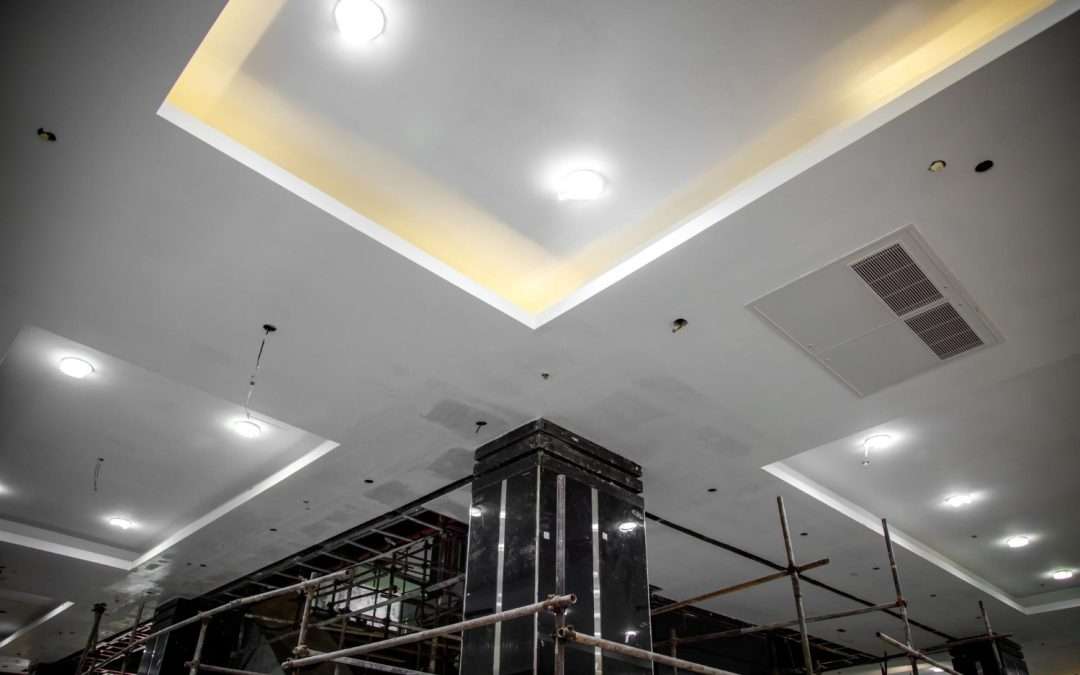
Lighting plays an important role in the atmosphere and functionality of business spaces, making commercial lighting installations a significant aspect of any commercial development. Well-designed lighting improves customer experiences and boosts employee productivity, making it important for business success.
When approaching these installations, professional planning and smart design help achieve good results. Here are practical tips to help your commercial lighting installations meet your needs and expectations.
Understanding Commercial Lighting Needs
Before starting a lighting project, it is important to assess the unique lighting requirements of your commercial space. Different environments, like retail stores, offices, and warehouses, require varied lighting solutions matched to their specific use cases.
• Retail stores often benefit from lighting that highlights products and creates an inviting atmosphere for customers.
• Offices require lighting that reduces glare on computer screens while providing enough brightness for focused work.
• Warehouses might need powerful, uniform lighting to support safety and efficiency during operations.
By identifying these needs, you can better plan and complete a lighting solution that fits business goals. Balancing the right amount of light with energy efficiency is useful for cost-effective operations, helping lights stay on when and where needed without wasting energy.
For Salem, Oregon, businesses, InLight Electric LLC offers lighting design, lighting upgrades, and retrofit services, all tailored for commercial settings. They apply modern LED options to help areas enjoy improved lighting quality while maximizing energy savings.
Once you know the key tasks and layout in your space, think about how lighting connects to safety and compliance as well. Properly selected lighting can help avoid accidents and create a safer environment for employees and visitors. For example, well-lit exits and pathways are not just practical but are also part of meeting regulations in many locations. Choosing fixtures and layouts that follow these rules will help keep your business both successful and compliant with standards.
By reviewing daily routines and typical workflows, you can identify spaces that experience changes in lighting needs. Consider meeting rooms, restrooms, or display areas. These areas might benefit from lighting that is easily adjustable depending on time of day or activities that take place.
Planning the Lighting Layout
Creating a thoughtful lighting plan is useful for any installation. The process starts with analyzing the space layout and determining key areas that need focused lighting. Working with lighting design professionals brings expertise in layout planning, making sure no corner is left dark.
When developing a lighting plan:
• Consider energy efficiency by selecting LED fixtures that offer long life spans and lower energy consumption.
• Support functionality by placing lights where they are needed most, such as above workstations or in aisles.
• Plan for both aesthetics and utility, considering how lighting adds to the overall design and feel of the space.
A well-made lighting plan will blend with your business architecture, providing the right atmosphere while helping daily business activities.
During this planning stage, mapping the location of electrical outlets and wiring routes is valuable. This consideration can make the installation process smoother and help avoid challenges later on. You might find that certain spaces, like large conference rooms or open floor plans, require layered lighting solutions, which means combining overhead lights with task-based or accent lighting.
It is also important to think about future needs. If you are planning for expansion or changes to your business, a flexible lighting plan can save time and money down the road. Selecting fixtures that are easy to reposition or upgrade supports your business as it grows or adapts.
Communication with your installation team is important. Clear instructions and shared documents, such as floor plans and schedules, keep the process coordinated. Regular updates with your team ensure all areas are addressed and small adjustments can be made before installation begins. This kind of teamwork helps create a smoother transition from planning to the finished lighting solution.
Choosing the Right Lighting Fixtures
Selecting the best lighting fixtures calls for careful thought. The choice will depend on the space’s function and the look you want to achieve.
• For office spaces, consider fixtures with adjustable features that allow changes to light levels and direction for different tasks.
• Retail environments might use spotlight-style fixtures that improve product displays.
• Industrial and warehouse areas benefit from high-bay fixtures that provide broad area illumination.
In each case, aim for fixtures that meet practical needs and add to a professional and attractive visual style. Balancing looks and practicality helps make sure lighting installations support the business’s image and daily operations.
Materials and durability should be part of the decision-making process. Fixtures installed in high-traffic areas or industrial environments need to stand up to frequent use and possible impacts. Choosing long-lasting, easy-to-clean materials can help reduce both replacement costs and ongoing upkeep.
Another factor is adjusting lighting based on natural light in different parts of your space. Areas near large windows might need dimmable fixtures, while spaces with limited daylight could require brighter, focused lighting. Options like motion sensors or smart controls can also allow light levels to automatically adapt, so employees and customers are comfortable throughout the day.
Consider color temperature as well. Lights that lean toward a cooler, daylight hue may suit workspaces and medical offices, while warmer tones often feel more welcoming in restaurants or reception areas. Adjusting color temperature for different zones within the same building gives both flexibility and a cohesive style.
Installation Tips and Considerations
Installing commercial lighting needs careful work for both safety and rules compliance. Working with professional electricians helps meet these requirements and ensures safe installation.
During installation:
• Expect minimal interruptions since the technical parts are handled by professionals.
• Be aware of basic safety steps, such as proper grounding and connection of fixtures to avoid electrical hazards.
• Make sure the setup meets all building codes and standards, which can differ depending on location.
Following these steps helps you create a well-lit environment and increases the safety and lifespan of your lighting systems.
InLight Electric LLC has over 7 years of experience as a licensed electrical contractor, installing lighting for offices, new construction, and remodels. Their process includes clear communication and coordination with your business operations, ensuring minimal disruption for Salem area clients.
If possible, schedule installation for times when your business is less busy. This reduces the impact on daily operations and helps keep employees and customers safe during work hours. Walk through the work areas with your electrician ahead of time to confirm where temporary barriers, ladders, or equipment will be placed.
Testing is a critical step before considering a job complete. After installation, lighting systems should be checked for function, safety, and effectiveness. This stage gives you a chance to adjust lighting placement or brightness if something doesn’t look or work as expected. Checking all switches, sensors, and emergency lighting at this time avoids inconvenient surprises.
Maintenance plans should also be considered during installation. Having a clear guide for replacing bulbs, maintaining fixtures, and troubleshooting issues makes caring for your lighting easier long-term. Some modern lighting systems include remote monitoring tools that can alert you or your installer to potential issues before they become disruptive.
Achieving Optimal Lighting for Business Success
Good commercial lighting installations contribute to customer satisfaction and efficient operations for the long term. A well-lit space raises the mood and productivity of everyone, supporting a positive business setting. When lighting is planned and installed carefully, it enhances a building’s look and helps it function as needed. Time and effort put into proper planning and installation can set up businesses for success, helping them meet the demands of a changing marketplace.
By reviewing your commercial lighting needs, developing a detailed layout, choosing quality fixtures, and following careful installation steps, you can build a lighting system that supports your unique business. From bright and welcoming entry areas to functional workspaces and safe warehouse aisles, thoughtful lighting design impacts every part of your operation.
At InLight Electric LLC, we know how the right commercial lighting installations can improve your business by creating an inviting and efficient atmosphere. Our team customizes solutions to fit your needs and operational goals, using energy-efficient fixtures and thoughtful design to reach the ideal lighting balance. To learn how our expert approach can help your space, contact us about commercial lighting installations today.