
Protect Your Home From Hidden Wiring Hazards
Electrical wire installation looks simple on the surface: a few wires, a switch, a breaker, and you are done, right? In real life, what happens behind the walls is one of the most important parts of keeping a home or business safe. As people start spring projects and freshen up their spaces, many are tempted to treat wiring as just another DIY task. That is where hidden problems begin.
Common wiring mistakes can lead to shock, fire risk, failed inspections, and even trouble with insurance claims. Older Salem homes can hide outdated or damaged wiring, while newer construction can still have installation shortcuts that create problems later. At InLight Electric LLC, we see these issues often, and we help property owners fix them before they turn into emergencies. Our goal here is to give you clear, simple guidance so you can spot red flags, ask better questions, and know when it is time to bring in a licensed electrician.
Why Proper Electrical Wire Installation Matters
Good electrical wire installation is about more than getting the lights to turn on. It affects:
- Safety for people using the space
- Energy efficiency and how hard your system has to work
- Long-term value and how smoothly inspections and sales go
Small wiring errors can cause big headaches. A loose connection or the wrong wire size might not show up right away. Over time, that mistake can lead to:
- Overloaded circuits that trip again and again
- Flickering lights or outlets that work only sometimes
- Heat buildup and damage hidden inside walls or ceilings
Licensed electricians follow the National Electrical Code (NEC) along with local Oregon rules. That helps your projects pass inspection and keeps your wiring in line with what many insurance companies expect. When everything is done to code, future remodels and home sales usually go much smoother.
Common Wiring Mistakes That Create Risk
Many of the problems we see fall into a few repeat patterns. Knowing these common mistakes can help you avoid them or spot them early.
Mistake 1: Using the Wrong Wire Type or Size
Wire size matters a lot. Each circuit is designed for a certain amount of current. If the wire gauge is too small for the breaker that protects it, the wire can overheat before the breaker ever trips. That can melt insulation and increase the chance of a fire.
Some frequent missteps include:
- Running indoor-rated cable outside or in damp areas
- Mixing copper and aluminum conductors without proper connectors
- Reusing old, brittle, or damaged wiring during a remodel
People also guess on loads when adding things like:
- Kitchen appliances
- Workshop tools
- Outdoor lighting
Often these should be on dedicated circuits with heavier gauge wire. A licensed electrician will do actual load calculations instead of guessing, and will choose the correct type of cable for the location, such as wet areas, underground runs, or high-heat spots.
Mistake 2: Overloaded Circuits and Crowded Junction Boxes
When someone adds new lights, tools, or heaters to an existing circuit, it can push that circuit past what it was designed to handle. This is common in:
- Garages and workshops
- Outdoor areas and patios
- Spare rooms turned into home offices
The signs of an overloaded circuit can include:
- Breakers that trip often, especially when multiple devices run
- Warm or discolored switch plates or outlet covers
- Buzzing sounds from a panel, switch, or receptacle
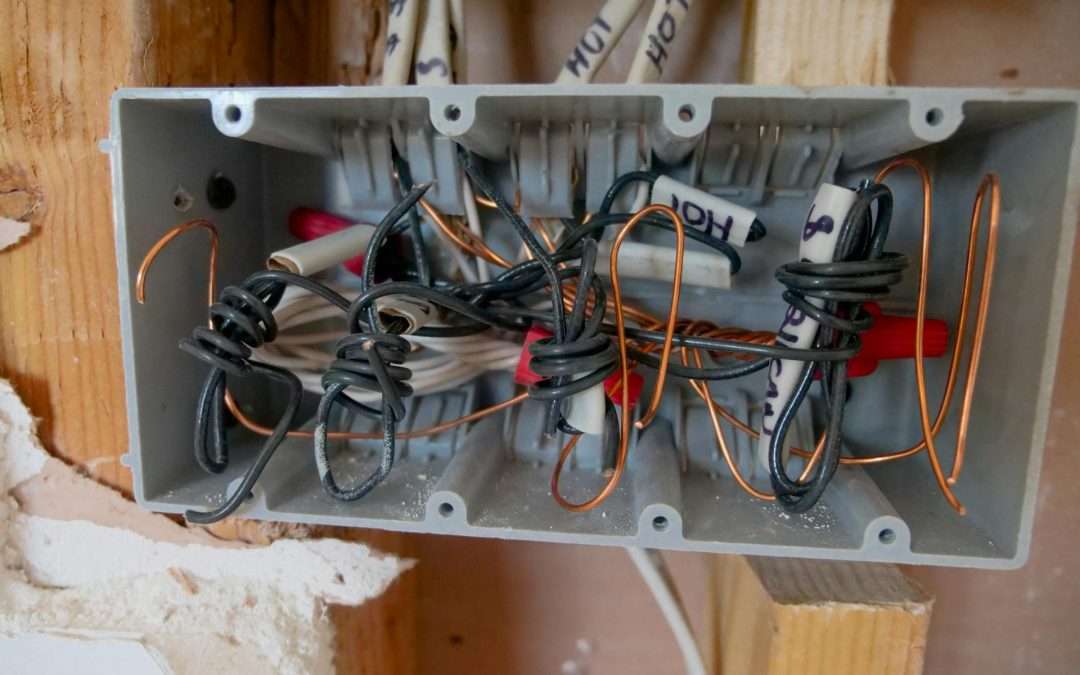
Crowded junction boxes are another silent problem. When too many wires, splices, or devices are jammed into a small box, there is less room for air to move, which can lead to heat buildup and arcing. A professional will size boxes correctly, count conductors, and add new circuits or a panel upgrade when the system is stretched too far.
Mistake 3: Loose Connections and Improper Splicing
Electrical connections need to be tight and secure. Loose screws on switches or outlets, poorly twisted splices, or overused push-in backstab connections can create:
- Intermittent power that comes and goes
- Arcing, which is tiny sparks jumping between conductors
- Heat at the connection points
The right way to join wires includes:
- Using approved wire connectors rated for the wire type and size
- Making clean, solid terminations on device screws, not just backstabs
- Housing every splice in a properly sized junction box with a cover
High-use areas like kitchens, bathrooms, laundry rooms, and garages deserve special attention, since they see more load and more moisture. Professional electricians have testing tools that can spot hot spots and weak connections long before they fail.
Mistake 4: Skipping Grounding, Bonding, and GFCI Protection
Modern safety features are not optional details. They are a core part of safe electrical wire installation. These include:
- Grounding conductors that give stray current a safe path
- Bonding jumpers that tie metal parts together
- GFCI outlets in wet or damp locations
- AFCI breakers in certain areas to reduce fire risk from arcing
Common homeowner errors include:
- Swapping in three-prong outlets on old two-wire circuits without adding a real ground
- Wiring GFCI devices incorrectly so they do not trip as they should
- Leaving outdoor receptacles without GFCI protection or proper covers
With our wet Oregon climate and lots of outdoor spaces, yard outlets, sheds, and patios should be checked carefully. An electrician can evaluate older homes, outbuildings, and outdoor living areas and recommend upgrades before spring and summer use ramps up.
Mistake 5: Ignoring Code, Permits, and Future Access
Skipping permits might seem faster in the moment, but it can create real problems later. Unpermitted electrical work can slow down a future remodel, raise questions during a home sale, or create issues if there is ever an insurance claim after an electrical event.
We often see problems like:
- Junction boxes buried behind drywall where they cannot be inspected
- Cables running unsupported or draped across attic spaces
- Wiring installed too close to other systems or without needed clearances
Good planning also means thinking about future needs during current projects, such as:
- Space in the panel and wiring paths for an electric vehicle charger
- Extra circuits for a home office or workshop
- Power and lighting for expanded outdoor areas
When these needs are planned upfront, the work is cleaner, safer, and less disruptive later.
When to DIY and When to Call a Licensed Electrician
Some small tasks can be manageable for confident homeowners, like changing a light fixture on an existing, properly wired circuit with the power off. But many jobs move into unsafe territory quickly.
Clear red flags that call for a licensed electrician include:
- Any work inside the main service panel or subpanels
- Installing new circuits, outlets, or switches where none existed before
- Recurring breaker trips, flickering lights, or unexplained power loss
- Outlets, cords, or devices that feel hot or smell burnt
Before you start a spring remodel, it is smart to have a professional look over your electrical system. A local, licensed contractor can spot hazards, check the panel, and help design safe, code-compliant layouts for new lighting and equipment so your project starts on solid ground.
Get Started With Your Project Today
If you are planning a remodel or new build, let Inlight Electric LLC handle the details of your electrical wire installation so everything is safe, efficient, and up to code. We will walk you through your options, answer your questions, and provide a clear plan before any work begins. Contact us to schedule your consultation and get your project moving.