
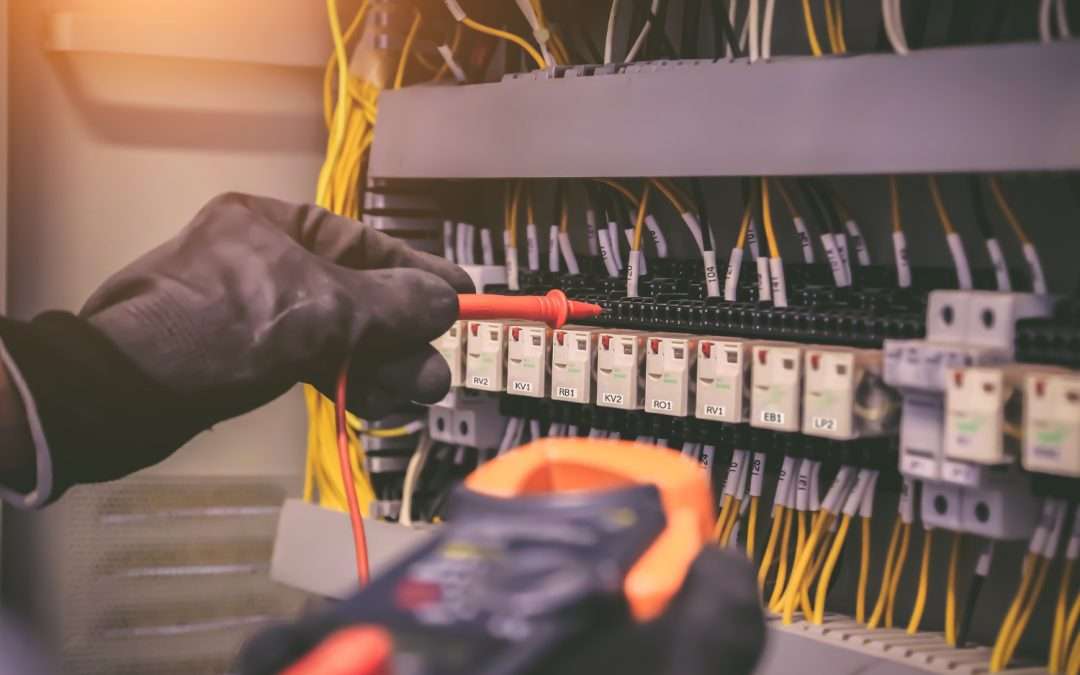
Protect Your Facility After Every Electrical Change
Every time you change your electrical system, you change your risk. Renovations, new equipment, or a service upgrade all put new stress on your wiring, breakers, and grounding. If no one checks that work with proper electrical testing services, small mistakes can grow into big problems.
For commercial and light industrial buildings, this can mean outages during business hours, damaged equipment, or even an electrical fire. Common triggers for testing include adding new production machines, upgrading switchgear, remodeling office space, doing tenant improvements, or increasing service size to handle more HVAC and cooling loads. Seasonal changes can push systems even harder when more AC units, fans, and refrigeration run at the same time.
Post-renovation electrical acceptance testing gives you proof that your updated system is safe to energize and ready for real-world loads. It reduces surprises, protects people in the building, and keeps your operation running.
When Commercial Properties Need Electrical Acceptance Testing
Electrical acceptance testing means a trained professional systematically checks that new or modified electrical systems are installed correctly, safe to turn on, and performing the way the design and code require. It is about more than “it turns on.” It is about “it turns on safely and keeps working under load.”
Some key times when commercial and industrial properties should plan acceptance testing include:
- After major renovations or build-outs that touch panels, feeders, transformers, or lighting circuits
- When main service equipment is replaced or upsized, such as switchgear, main disconnects, or busway
- After installing large loads like HVAC units, motors, refrigeration, production lines, EV chargers, or data racks
- When you are trying to solve ongoing issues like frequent breaker trips, flickering lights, or past electrical safety concerns
In Oregon, electrical permits and city or county inspections are part of any serious project. Those inspections focus on code and visible workmanship. Acceptance testing goes deeper. It looks at performance under real conditions, checks settings on protective devices, and verifies things a quick visual inspection cannot see.
This extra layer of testing supports long-term reliability. It is especially helpful before full occupancy, before you bring a production line back up, or before warmer weather increases HVAC and cooling loads across the building.
Critical Switchgear and Breaker Tests You Cannot Skip
Your switchgear and circuit breakers act like the heart and brain of your electrical system. They route power where it needs to go and protect people and equipment when something goes wrong. If they are not set up and tested correctly after changes, the whole facility is at risk.
Good acceptance testing for switchgear and breakers often includes:
- Visual and mechanical checks, such as correct labeling, clearances, clean interiors, and proper torque on lugs and terminations
- Functional checks of breaker operation, making sure handles, trip units, and mechanisms move as they should
- Primary or secondary injection testing on certain breakers, to confirm trip settings match design and the intended coordination between upstream and downstream devices
- Insulation resistance and continuity tests on feeders, bus connections, and tap conductors, to catch damage from drilling, demolition, or cable rerouting
Skipping these tests can lead to mis-coordinated breakers that trip whole panels when only one circuit should go offline. You can end up with nuisance shutdowns in critical areas like server rooms, refrigeration lines, kitchens, or production spaces. Poor settings can also mean higher fault energy, longer clearing times, and more severe arc-fault events when something shorts out.
Professional electrical testing services adjust and verify breaker settings based on real loads in offices, shops, restaurants, warehouses, and light industrial spaces, not just what the original drawings show. That kind of field verification is what keeps a small fault from turning into a full building outage.
Grounding, Bonding, and Arc-Fault Risk in Renovated Spaces
Grounding and bonding are easy to overlook because most of it is hidden behind walls and inside equipment rooms. Grounding connects your system to earth. Bonding ties all metal parts together so they are at the same electrical potential. Both are key for shock protection, surge and lightning paths, and for clearing faults quickly.
After renovations or equipment moves, we focus on tests and checks like:
- Ground resistance tests on grounding electrodes or grids, especially if there has been site work, new concrete, or new steel added
- Continuity checks on bonding jumpers for metallic piping, structural steel, cable tray, rooftop units, and equipment enclosures
- Verification that new or relocated panels, transformers, and equipment have proper grounding conductors and bonding jumpers installed and tight
Poor grounding and loose or missing bonds can increase fault current paths inside your building. That can raise the energy of an arc fault, slow down breaker operation, and make arc-flash risk higher than expected. Acceptance testing helps confirm that the assumptions used in any arc-flash study, PPE plans, and labeling are still valid after the changes to your system.
In fast-track renovations, tenant improvements, or rushed equipment cutovers, it is easy for one bond or ground connection to be missed. Careful commercial electrical testing can spot these hidden issues before they show up as shocks, damaged gear, or unexplained breaker trips.
Verifying Lighting, Emergency Power, and Life Safety Systems
Renovations often move ceilings, walls, and exits. That means lighting, emergency circuits, and life safety systems need extra attention. It is not enough that fixtures simply turn on. They must light the right areas, work under emergency conditions, and meet code coverage.
Key test items for these systems include:
- Normal lighting circuits, making sure switching matches the plans, dimming is smooth, occupancy sensors respond correctly, and daylight controls behave the way the space needs
- Emergency and egress lighting, including functional tests of battery-backed fixtures, generator-fed circuits, and transfer switches so exit paths stay lit when normal power fails
- Exit signs and their circuits, confirming they are visible from the right locations and still point along safe exit routes after layout changes
- Coordination checks with fire alarm and security systems, confirming any interfaced relays or shunt trips still operate as designed
When construction schedules get tight, lighting controls and emergency circuits are often adjusted at the last minute. That is when mistakes slip in, like mislabeled breakers, mixed circuits, or forgotten emergency feeds. Proper acceptance testing lowers liability, keeps people safer, and helps you meet the expectations of insurers and local authorities.
How InLight Electric Helps You Pass the Real-World Test
Passing a basic inspection is important, but it does not always prove your system is ready for everyday business use. Thoughtful acceptance testing after renovations or equipment upgrades protects operations, people, and property.
For commercial and industrial clients around Salem, we focus on a clear, practical process:
- Review of project scope, drawings, and any utility or landlord requirements so testing matches your actual changes
- A tailored acceptance testing plan that covers switchgear, breakers, grounding and bonding, lighting, and life safety circuits
- Field testing and inspection that checks both code issues and real-world performance under expected loads
- Clear, written results with prioritized recommendations so you know what needs attention now and what can be planned for later
Planning this work before tenants move in, before production ramps up, or before warmer weather drives up HVAC demand can save a lot of trouble. A well-tested system is quieter, safer, and more dependable, which is exactly what most building owners and facility managers want from their electrical testing services.
Get Started With Your Project Today
If you are ready to verify that your electrical system is safe, compliant, and performing as it should, our team at Inlight Electric LLC is here to help. Explore our comprehensive electrical testing services to identify issues before they become costly problems. We will walk you through the results, clearly explain what they mean, and recommend the right next steps for your property. To schedule a visit or request a quote, simply contact us today.