
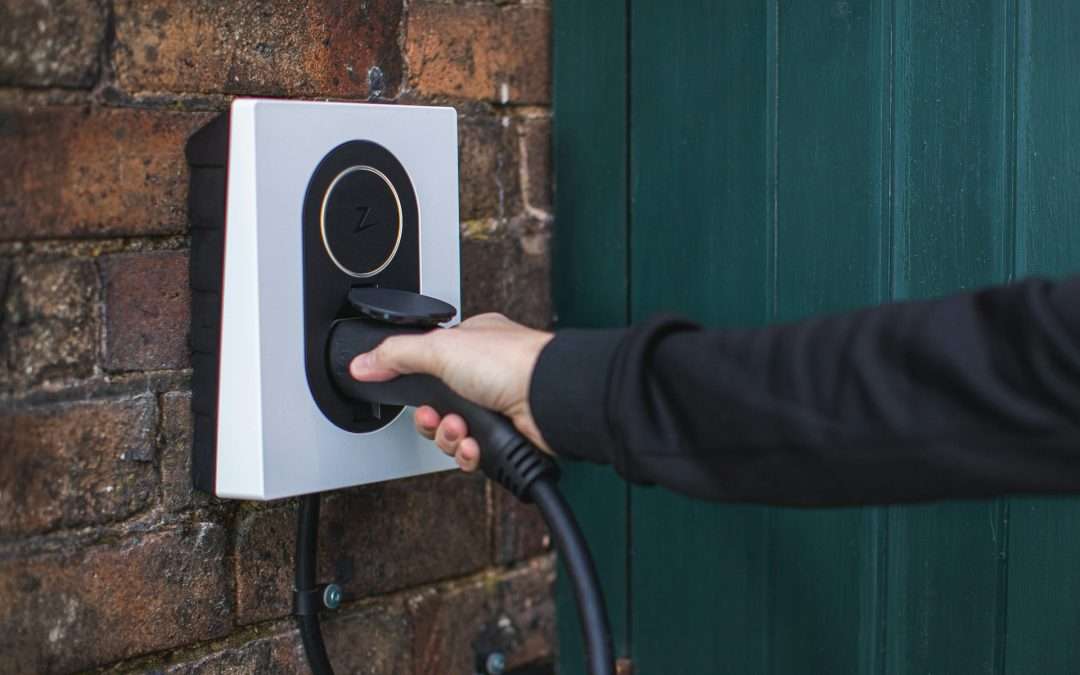
Plan Your Home EV Charging Before You Purchase
Planning your residential EV charger installation before you buy an electric car can save you time, stress, and surprise electrical work. Your home wiring, panel size, and parking layout all affect what kind of charger you can safely use. If you sort these details out early, your EV can arrive at a home that is already ready for it.
Many people order an EV for spring or early summer, then find out their panel is full or the charger location is hard to reach. Electricians can also get busy as the weather warms up, which may slow down your project. A little planning now can mean your charger is waiting for you on day one, instead of your new car waiting on power.
As a licensed electrical contractor based in Salem, Oregon, we help homeowners look at electrical capacity, charger options, and safety needs before they place an EV order. That way, you can make smart choices about the car you buy and the way you charge it at home.
Check Your Home’s Electrical Capacity First
Before picking a charger, it helps to know how much power your home already has. Your main service size is often 100 amp, 150 amp, or 200 amp. This number limits how much your home can safely handle at one time, including lights, appliances, heating, cooling, and now EV charging.
A licensed electrician can perform a load calculation. This is a careful look at:
- Your main service size and panel layout
- Large appliances like ovens, dryers, and water heaters
- Heating and AC equipment
- Any plans for future loads, like hot tubs or shop tools
From there, we can see if your existing panel can support a Level 2 charger or if you need changes first. The goal is to avoid tripping breakers or stressing your system when the EV is charging at the same time as other big loads.
Seasonal use matters too, especially in Oregon. In warmer months, many homes run AC while also using outdoor tools and equipment. Plugging in an EV on top of that can push your system closer to its limit. Planning your residential EV charger installation with these patterns in mind helps keep your home safe and your power reliable year-round.
Choose the Right Level of EV Charging for Your Lifestyle
Not every driver needs the same charging speed. The right choice depends on how far you drive and how often you want to plug in.
Here is a simple overview:
- Level 1 charging uses a standard household outlet
- It adds fewer miles per hour of charge, but it can be enough for short daily drives
- Level 2 charging uses a 240-volt circuit, like an electric dryer
- It charges much faster and is better for longer commutes or frequent trips
If you commute around Salem, take regular weekend trips along the I-5 corridor, or share the EV with other drivers in your home, a Level 2 charger is often the better fit. If you work from home and drive short distances most days, a slower option may still meet your needs, as long as you have enough time to charge overnight.
Smart chargers are another helpful tool. Many models let you:
- Schedule charging for late-night or off-peak hours
- Set maximum current so you do not strain your panel
- Track energy use for your EV over time
By charging during lower-demand hours, you can ease the load on your home electrical system and may reduce energy costs, depending on your rate plan.
Plan the Best Charger Location and Wiring Route
Where you park your car each night has a big effect on your residential EV charger installation. The goal is a spot that is safe, convenient, and cost-effective to reach with wiring.
Common locations include:
- Attached garage walls near the parking spot
- Detached garages or shops
- Carports or driveway walls
- Pedestals or posts when a wall is not close by
An electrician will look at the distance from your main panel to the charger location, plus any walls, ceilings, or outdoor surfaces we need to cross. Longer wire runs and harder paths usually mean more labor and materials.
In Oregon, outdoor equipment must handle rain, damp air, and possible snow. For outdoor or semi-outdoor installations, we pay close attention to:
- Weatherproof and outdoor-rated chargers and covers
- Proper mounting height to avoid puddles and snow
- Sturdy conduit and routing away from yard tools and vehicles
All of these pieces help keep the charger safe, protect the wiring, and give you a setup that feels easy to use every day.
Understand Permits, Safety, and Future Resale Value
Residential EV charger installation is more than just adding a new outlet. Permits and inspections are usually required for this kind of work. They help ensure the wiring and equipment meet code and help protect your home, your family, and your insurance coverage.
Common safety items we look at include:
- Dedicated circuits sized correctly for the charger
- GFCI or AFCI protection where required by code
- Proper grounding and bonding
- Clear labeling at the panel and near the charger for shutoff
These steps help reduce the risk of shocks, overheating, and other hazards. They also make it easier for future electricians or emergency responders to understand your system quickly.
Being EV ready can also be a plus if you decide to sell your home later. Buyers who already drive electric, or are thinking about it, often see a code-compliant, documented charging setup as a nice bonus. It sends a message that the electrical work was done with care and inspected, not just added on as an afterthought.
Budget Smartly and Time Your Project Around Your EV Delivery
When you plan your budget, it helps to know the main factors that affect project scope. Some of the big ones are:
- Whether your existing panel has enough capacity
- The length and difficulty of the wire run to your parking area
- The charger model and features you choose
- Any trenching, drywall work, or surface repairs the project may require
If you are ordering an EV, try to line up your electrical assessment early, before the car arrives. This is especially helpful before late spring and summer, when many electrical projects pick up and schedules fill faster. Giving yourself several weeks of lead time helps keep your project on track and gives room for permit review and inspection.
While there is an upfront cost to installing home charging, many homeowners find that EVs can bring long-term savings through lower fueling costs and less routine maintenance. Some areas also offer incentives for certain charger types, especially smart chargers that can shift charging to lower-demand times. Planning carefully helps you take full advantage of these benefits.
Get Your Home EV Ready with Local Pros You Can Trust
Residential EV charger installation touches almost every part of your electrical system, from the service panel to the very spot where your car will sit each night. When it is done thoughtfully, charging feels as simple as plugging in your phone before bed.
At Inlight Electric LLC, we work with homeowners in and around Salem to review electrical capacity, talk through charger levels, and map out the best location and wiring route for your space. Bringing a short checklist to that first visit can help, including your likely EV model, your daily driving distance, where you park, and any future plans like a second EV, a hot tub, or new heating and cooling equipment. With those details, we can help you plan a system that fits both your current needs and your goals down the road.
Get Started With Your Project Today
If you are ready to charge your vehicle faster and more safely at home, our team is here to help you plan and complete your residential EV charger installation the right way. At Inlight Electric LLC, we evaluate your electrical system, recommend the best setup for your home, and handle everything from permits to final testing. To discuss your options or schedule an appointment, simply contact us and we will follow up promptly.