
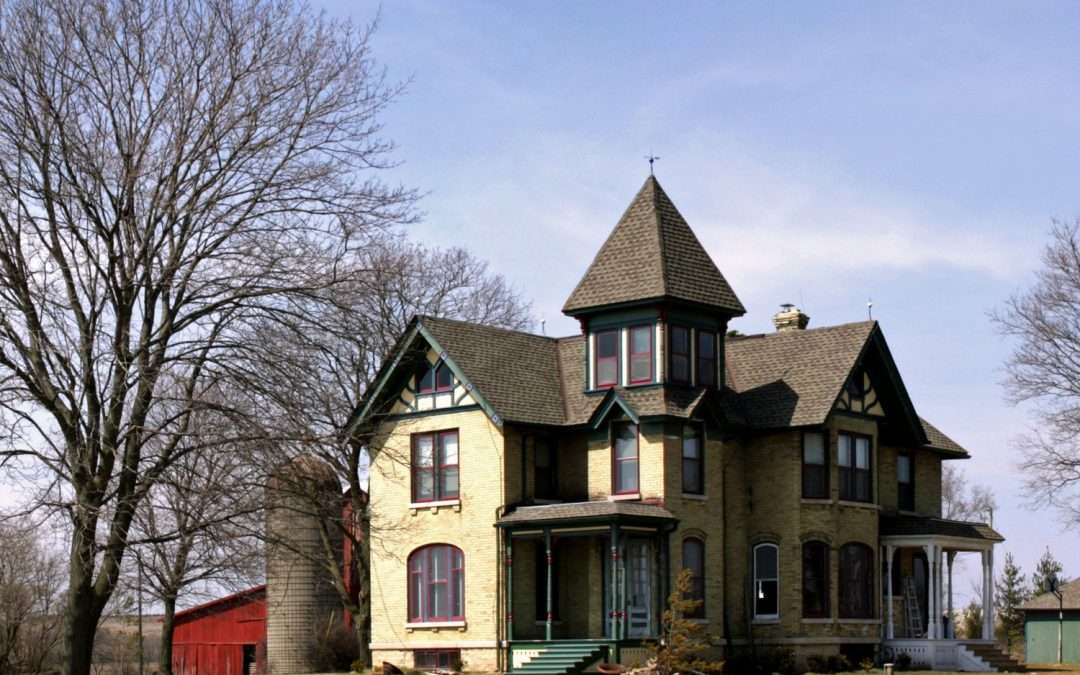
Rewiring a historic home can feel like a balancing act. You want to maintain the original charm while bringing your electrical system up to today’s standards. Many older homes were built long before current safety codes and energy demands were a thing, so their wiring just isn’t made to support modern needs. Whether it’s flickering lights, frequent breaker trips, or outdated outlets, these signs usually point to a bigger electrical issue under the surface.
Choosing to update the wiring is more than a cosmetic decision. It’s about protecting your home and the people in it. Old systems can pose fire risks, limit what you can plug in, and make even simple upgrades more complicated. But the good news is that modern electrical installation doesn’t have to take away from what makes your home unique. With the right planning, you can get safety and style to work together.
Understanding Old Wiring Systems
One of the biggest challenges when working with older homes is knowing what kind of wiring you’re dealing with. Many historic homes still have their original electrical systems in place. While they may have worked fine decades ago, they’re often a poor match for today’s lighting, appliances, and electronics.
Here are some common types of outdated wiring still found in older homes:
– Knob-and-tube wiring: One of the earliest forms of residential wiring. It uses ceramic knobs and tubes to run the wires and is usually not grounded. This type was standard until the mid-1900s but doesn’t meet current safety codes.
– Cloth-insulated wiring: As the name suggests, this wiring uses cloth as the insulating layer, which can fray or decay over time. This kind is prone to wear and can become a fire hazard when it gets brittle.
– Aluminum wiring: Used in some homes during the 1960s and 1970s. Though it’s more conductive than copper in certain cases, it expands and contracts more, which can loosen connections and create overheating problems.
Problems related to older wiring can range from annoying to dangerous. These might include:
– Breakers that trip often
– Light switches that feel warm or spark slightly
– Outlets that don’t hold plugs well or show signs of scorching
– A general lack of grounding in the system, creating shock risks
Imagine plugging in your vacuum cleaner or laptop and the lights flicker throughout the house. That’s an everyday reminder your system isn’t keeping up. Recognizing these warning signs can help you decide when it’s time to take the next step and plan for an upgrade.
Modern Rewiring Solutions
Modern electrical installation comes with a lot of benefits, most importantly better safety and reliability. While updating things may seem like a big project, newer installations are designed to last longer, handle bigger power loads, and keep your home functioning the way you expect.
Today’s systems are built with updated materials that reduce overheating, resist wear, and offer more protection across the board. For example:
– Copper wiring is now the go-to standard because it holds up better under high use
– Circuit breakers are more responsive and make it easier to isolate parts of your home if there’s ever a problem
– Grounded outlets and GFCIs (Ground-Fault Circuit Interrupters) add an extra layer of safety, especially in rooms with water like kitchens and bathrooms
Another key factor is code compliance. Modern electrical updates follow current codes that not only improve safety but also make your home compatible with future upgrades. These guidelines help ensure that the updated wiring will meet the needs of new appliances, home tech, or an HVAC system years from now.
Rather than fighting with older technology and creaky parts, a modern setup gives you smoother use around the house. Updating to a modern electrical system doesn’t mean sacrificing your home’s look. It simply means your wiring will finally match the way you live.
Steps to Rewiring a Historic Home
Updating the electrical system in a historic home involves careful planning and execution. Each step must be carried out with attention to detail to ensure both safety and preservation of the home’s original character. Here’s a typical process:
1. Initial Inspection and Planning: The first step is a thorough inspection of the existing wiring and layout by a licensed electrician. This helps identify all the outdated wiring that needs replacing and devises a detailed plan that respects the home’s architecture.
2. Removing Old Wiring Safely: Removing the old wiring is tricky and must be done with precision to avoid damage to the structure. This usually involves replacing knob-and-tube wiring, deteriorating cloth insulation, or any aluminum wiring.
3. Installing New Wiring and Components: Modern wiring materials like copper are installed with the capacity to handle today’s electrical loads. New components like circuit breakers and GFCIs are also added to enhance safety.
4. Testing and Ensuring the System is Up to Code: Once the new wiring is in place, detailed testing ensures that everything complies with local electrical codes. This step confirms the system’s reliability and efficiency, offering peace of mind in your newly updated home.
Each stage of rewiring needs care and experience. It’s about mixing the old with the new in a way that keeps your home protected without losing its historical essence.
Hiring Professional Help
When it comes to rewiring your historic home, it’s important to trust the job to the experts. Licensed electricians are familiar with the quirks and demands of older homes and know how to handle issues safely and effectively.
There are several reasons why hiring a professional is the best choice:
– Expert Knowledge: Professionals have the experience needed to handle outdated systems while conforming to current safety codes.
– Safety Assurance: They follow strict safety regulations, significantly reducing the risk of electrical fires or failures.
– Efficient Project Management: Hiring skilled electricians means the project progresses smoothly and is completed on schedule, minimizing disruptions in your life.
When looking for the right electrician, consider asking these questions:
– Do you have experience with historic homes?
– Can you provide references for similar projects?
– How do you ensure the safety and code compliance of your work?
Choosing a partner who understands the unique needs of historic homes will help maintain your home’s special charm while upgrading it for today.
Blending History with Peace of Mind
Balancing the beauty of your historic home with modern electrical safety is a rewarding challenge. Once you’ve completed the rewiring, routine maintenance and inspections are key to making sure the system stays reliable. This means scheduling regular check-ups, just like you would with heating or plumbing systems, to prevent small issues from turning into bigger hassles later on.
While the initial project might seem like a lot, the payoff is worth it. A modern electrical system brings not only increased safety and power capacity, but also opens the door to things like smart home technology and dependable energy usage. And best of all, you don’t have to sacrifice your home’s charm to get there.
Your historic home can remain just as beautiful as ever without being held back by outdated wiring. With the right upgrades and a careful approach, it can be everything you love—safe, functional, and built to support your everyday needs.
Rewiring a historic home can be a rewarding endeavor, ensuring your beloved space remains both safe and charming for years to come. If you’re looking to embrace the benefits of a modern electrical installation while preserving historical charm, explore how our services can help. Trust Inlight Electric LLC to guide you through the process with expertise and care. For more information on making your historic home both functional and beautiful, reach out to our team today.