
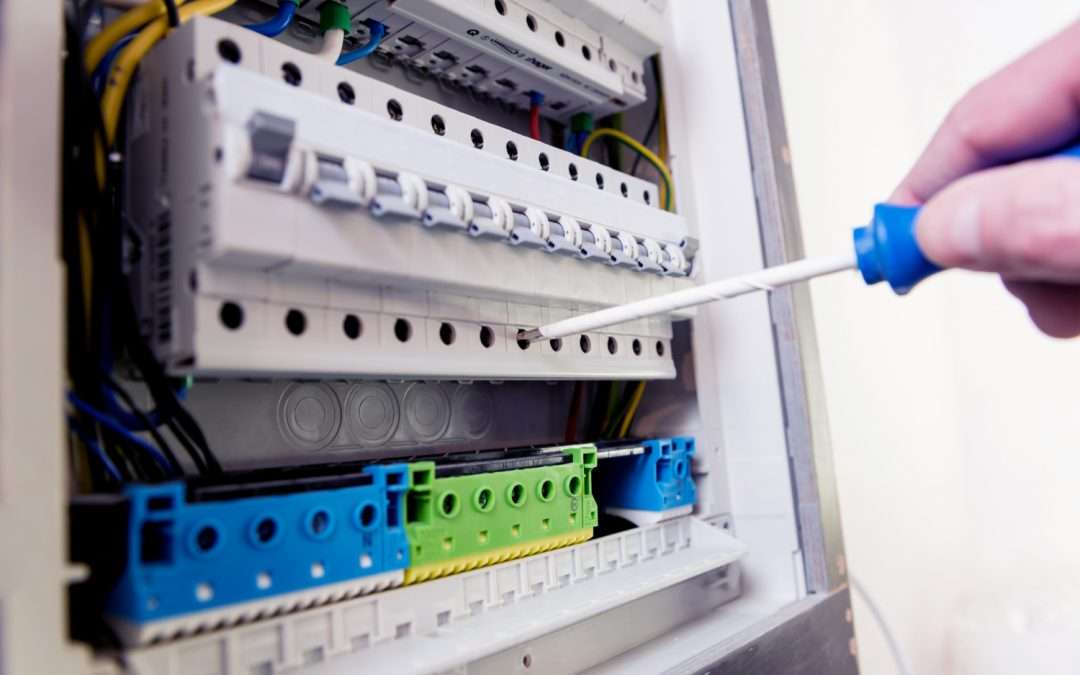
When a heavy rainstorm rolls through and your circuit breaker trips, it’s more than just an inconvenience. Losing power during a storm can affect everything from kitchen appliances to heating and charging devices. The question many homeowners have is why it happens in the first place, especially when it seems to happen again and again during wet weather. Rain and electricity don’t mix well, but understanding what causes the breaker to trip can help protect your home from future surprises.
In most cases, the issue comes down to how water interacts with your electrical system. While your circuit breakers are meant to protect you by shutting off power during faults, they can also be triggered by moisture where it shouldn’t be. Water can enter areas it doesn’t belong, and when it connects with your wiring, outlets, or panels, the system reacts by cutting power for safety. Figuring out what’s behind those trips can point you toward solutions that help you feel more prepared before the next storm hits.
Common Reasons for Circuit Breakers Tripping During Heavy Rain
Heavy rainfall can put extra pressure on your electrical system in ways that aren’t obvious until the power cuts out. From outdoor outlets to buried cables, moisture can slip in through small cracks or gaps, setting off your system’s safety response. Your breaker is just doing its job, but continuous tripping means something likely needs attention.
Here are some of the more frequent causes for this issue:
1. Water getting into exterior outlets or the electrical panel
If water sneaks into your outdoor electrical outlets or your main panel, it can create a path for electricity where it doesn’t belong. Panels should be fully sealed, but time, weather exposure, and small gaps can let moisture in. Once it meets live wires, it leads to short circuits, and the breaker shuts off to prevent damage or danger.
2. Moisture triggering a ground fault
Ground Fault Circuit Interrupters, or GFCIs, are designed to stop power fast when they detect current leaking in a way that isn’t safe. During rain, even small amounts of water or condensation around the wiring can trip a GFCI, especially in outdoor or garage circuits.
3. Worn seals or enclosures on outdoor equipment
Over time, seals around outdoor lighting, power boxes, and outlets can break down. Water can get behind light fixtures or inside conduit boxes where it shouldn’t be. These issues often go unnoticed unless you specifically look for them.
4. Drainage problems near electrical elements
If rain pools around your home’s foundation, walkways, or near buried electrical lines, that water can work its way into areas with live components. Poor drainage caused by grading issues or clogged downspouts can leave electrical parts exposed to standing water longer than they should be.
One homeowner noticed their backyard outlets tripped nearly every time it rained hard. After a few incidents, they called in a licensed electrician, and an inspection revealed water pooling by the exterior wall. An old, rusted outlet was letting just enough moisture in to interrupt the system.
Paying attention to the location and condition of outdoor power components can help you stay a step ahead. If the same breaker keeps flipping during wet weather, one or more of the issues above could be the cause.
How to Address Rain-Related Electrical Issues
If your breaker regularly trips during heavy rain, your electrical system is likely being exposed to moisture where it shouldn’t be. Fixing the cause is more than a short-term patch. It’s about making your home’s system better prepared for the next storm.
Start by hiring a licensed electrician to inspect your electrical panel and any affected circuits, especially those located outdoors or in damp areas like crawlspaces. An expert can find small gaps or cracks that allow water to enter, even if you’re not seeing the effects during dry weather.
Next, check the condition of outdoor outlets, covers, light fixtures, and any sealed enclosures. These need to be secure and weatherproof. If the covers are cracked or have shifted out of place, they no longer protect against rain getting in. Replacing them is a simple fix that can prevent bigger problems.
Consider the landscape around your home, too. If water tends to pool near electric boxes, panels, or walkthroughs, you may need to upgrade drains, trench the soil differently, or adjust your home’s grading to divert the water flow elsewhere.
Sometimes, the best fix is upgrading the electrical panel itself. Older panels are not always equipped to handle fault detection as precisely under damp conditions. Moisture can interfere with the sensitivity of breakers, causing false trips or even failures. A new panel improves power reliability and adds layers of safety against environmental factors.
Here are a few practical fixes that may help:
– Seal cracks or openings around service panels and conduit
– Replace or repair rusted or water-damaged outlets
– Upgrade GFCI covers and weatherproof electrical boxes
– Improve water drainage away from electrical structures
– Retrofit with a new electrical panel for better performance
Unplanned rain-related outages don’t have to become the norm. Effective upgrades and inspections can reduce the chances that your breaker will trip the next time it pours.
Preventive Measures to Protect Your Home Electrical System
Once current problems are handled, the goal is to make sure they don’t come back. You can avoid repeat issues by working a few easy habits and upgrades into your home maintenance plan.
Start by scheduling general inspections every few years. A licensed electrician will know what signs of damage to look out for, even in systems that appear to be working just fine. Regular checkups give you a better chance of spotting wear and tear early, especially in rain-prone areas.
Next, don’t cut corners with outdoor electrical products. All covers, boxes, and enclosures should be designed for exposure to moisture. Double-check the placement and functionality of covers, especially near landscaping elements like hose bibs or shrubbery that holds moisture.
If your wiring or panel is decades old, there may be newer components that are better built to handle weather stress. Modern parts often have tighter seals, improved trip sensitivity, and stronger resistance to corrosion caused by seasonal dampness.
Keep these regular steps on your to-do list:
– Check for loose or broken outdoor outlet covers
– Make sure crawlspaces or basements with panels stay dry
– Talk to your electrician about advanced moisture-resistant breakers
– Watch for flickering, sizzling sounds, or smells near outlets
– Don’t ignore trip patterns—repeat issues mean it’s time for help
By planning ahead and staying aware of your setup’s condition, you’ll be doing your part to keep electrical problems from ruining stormy days.
Keeping Your Electrical System Strong in Any Weather
You don’t have to put up with tripping breakers every time it rains. Addressing the problem starts with knowing the warning signs and calling in pros to take a closer look. From there, sealing, replacing, and upgrading the parts that don’t stand up to weather can make all the difference.
When you upgrade to a newer electrical panel, you’re not just improving how your home uses energy—you’re improving how it handles problems from the outside. New panels and properly installed outdoor fixtures offer better protection and save money in the long run.
Just like roof work or gutter cleaning, taking care of your electrical system should be part of your home’s storm-readiness plan. With the right help, you’ll be ready the next time clouds roll in.
Gain peace of mind and make sure your home’s electrical system can keep up with your needs by exploring electrical panel upgrades with Inlight Electric LLC. Whether you’re dealing with flickering lights, outdated wiring, or preparing for future projects, we’re here to help you stay safe and powered up with dependable solutions tailored to your home.