
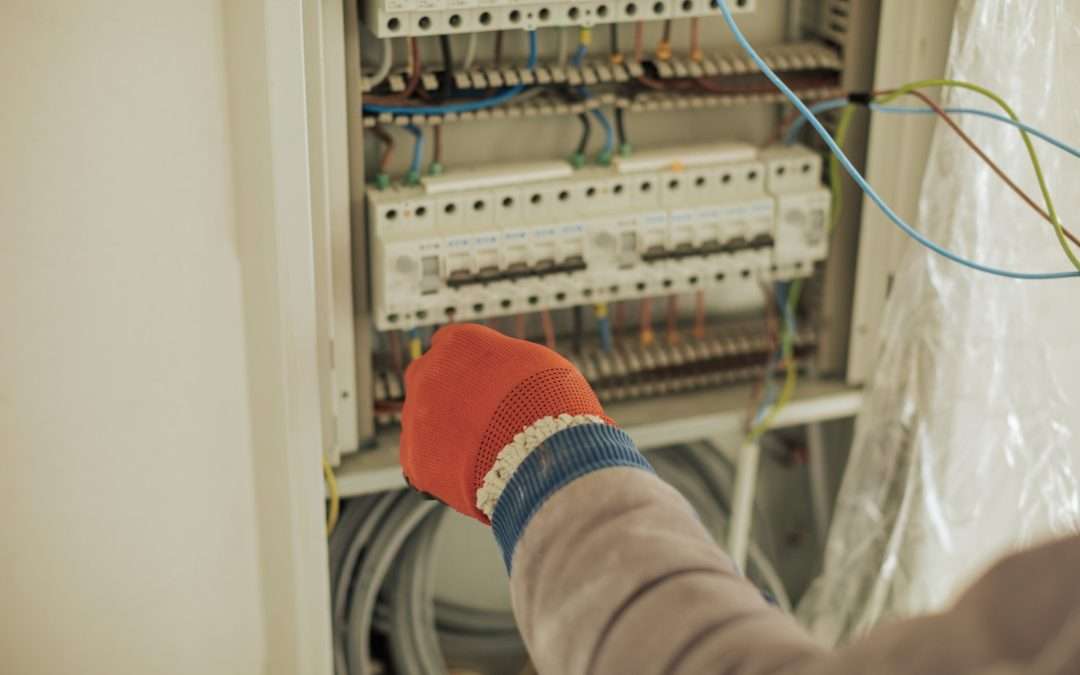
Worn-out wiring in an older home isn’t always obvious, but ignoring it can lead to serious issues. Over time, materials break down, connections weaken, and energy use shifts. What worked fine decades ago might not support today’s demands. When wiring begins to fail, the early signs often seem minor until something bigger happens. That’s why having an eye on your home’s electrical health is so important if your place has some years on it.
Your home may be full of charm and character, but beneath the walls, older wiring might be struggling to keep up. Whether from age, wear, or outdated standards, failing electrical systems are one of the more serious risks in older properties. Catching problems early can help you avoid larger repairs and eliminate common hassles like flickering lights and tripping breakers. Knowing what signs to watch for could make all the difference.
Warning Signs of Deteriorating Wiring
Electrical issues don’t usually start off loud. They creep in through small interruptions in your day—like lights blinking or a breaker flipping when the coffee maker and microwave run at the same time. These annoyances can actually be signs that something bigger is forming.
Keep an eye out for these common warning signs:
- Breakers that trip often: If the same circuit trips repeatedly, even under low demand, the system may be overloaded or deteriorating. This goes beyond basic wear and needs a closer look.
- Lights that flicker or dim: When lights in multiple rooms flicker or dim for no apparent reason, it might be wiring that can no longer handle the load or is beginning to fail internally.
- Strange smells or scorch marks around outlets: A burnt or plastic-like odor near an outlet, light fixture, or your panel is a major warning sign. Scorch marks or discoloration should never be ignored.
- Sparking or discolored outlets: If you see sparks when you plug something in, or if an outlet has turned brown or yellow, excessive heat may be building inside, potentially damaging your devices or worse.
- Outdated wiring materials: Older wires like knob and tube, or aluminum wiring from decades ago, are often incompatible with today’s high power needs. These types can also pose serious fire risks if not updated.
One example is a homeowner who noticed her bedroom lights flickering whenever she ran the vacuum. She thought it was just weak power, until other rooms began showing the same symptoms. A professional inspection revealed the wiring hadn’t been looked at in years and was breaking down from age. A simple call helped her prevent a much costlier and more dangerous problem.
These signs are like your home trying to tell you it needs attention. Wiring doesn’t heal itself, and problems often grow over time. Early action is always better than dealing with avoidable damage later.
Common Causes of Wiring Deterioration
No electrical system lasts forever. Even the most well-installed wiring will wear out eventually or fall behind current energy demands. Some of the reasons for deterioration are easy to guess, others come as a surprise.
Here are common causes that often lead to trouble:
1. Age and general wear: Materials break down over time. Insulation cracks, wires turn brittle, and connections come loose. The older the house, the more likely this becomes a real concern.
2. Overloaded circuits: Plugging in modern devices on circuits designed for older, lighter loads stresses your wiring. Frequent overuse increases heat, which weakens the system faster.
3. Rodent damage: Unseen pests like mice can chew through insulation and wiring, especially in attics and basements. These spots often go unchecked, giving damage time to build up.
4. Poor or outdated electrical wire installation: Wiring that’s too old or was installed without proper care may not meet the standards needed today. What worked years ago might be failing silently now.
5. Lack of maintenance or inspection: If no one has checked the system in years, there’s a good chance issues have had time to grow. Fewer inspections mean more room for problems to develop without being spotted.
Understanding why wiring breaks down gives you a better sense of what’s happening inside your walls. Even if there’s no active problem yet, it’s smart to factor in the wear that builds up over time. Inspections bring everything to light before damage hits your home or wallet.
Steps to Take if Deteriorating Wiring is Suspected
If you’ve noticed anything unusual with your electrical system, don’t leave it to chance. Problems that seem minor at first can move quickly toward serious hazards or appliance damage. Prompt action lets you avoid emergencies and gives you more control over solutions.
The first step is calling for a professional electrical inspection. A licensed electrician knows how to safely access and evaluate your wiring, while homeowners are often limited in what they can safely see or handle. Professionals will look over your wiring’s condition, test current load levels, and assess the safety of your whole system.
When choosing someone for the job, make sure they’re licensed, insured, and experienced with older homes. Working with outdated materials and past configurations can be tricky. Someone familiar with electrical wire installation and upgrades in aging homes will know what kinds of challenges tend to come up in these setups.
During the inspection, here’s what usually takes place:
- A visual scan of outlets, panels, and visible wiring
- Circuit testing to check voltage delivery and power quality
- Evaluation of panel capacity in relation to the number of devices drawing power
- Checking insulation condition where wires are exposed or accessible
- A review of grounding and bonding systems for safety
- Suggestions for immediate actions, if needed, and plans for upgrades
If a hazard is found, like heat stress or exposed wires, most electricians will address the risk right away or disconnect the affected circuit. It’s common to receive a detailed repair plan for everything that needs attention. The big priority is always safety first and a smart fix second.
You don’t need to panic, but waiting might reduce your options or raise repair costs. Like hearing an odd rattle in your car, it’s worth knowing exactly what’s going on so you can make informed, low-stress decisions.
Benefits of Upgrading Wiring in Older Homes
Fixing weakened wiring is a great chance to bring your whole system up to date. A wiring upgrade can change how your entire home functions by solving problems before they grow and matching today’s electrical needs.
Here’s what an upgrade can offer:
- Stronger safety: Old wires fail quietly but dangerously. Upgrading gives you a system you can count on, greatly lowering the chances of sparks, overheating, or power loss.
- Smoother operation: No more flickering lights or blown circuits when you turn on the heater and the oven. Upgrades let your home support your routine without frustration.
- Easier future improvements: Renovations, new appliances, or electrical additions go more smoothly when the wiring is already prepared for them. It keeps your whole setup ready for changes down the road.
- Higher home value: Modern wiring lowers the red flags on a home inspection report and makes buyers feel reassured about your home’s safety and functionality.
- More peace over time: Once your system is updated, it’s one less thing to monitor closely. You can plug in and go about your day without wondering what’s heating up behind the scenes.
For example, a homeowner living in a mid-century house finally addressed frequent flickering and aging outlets. Once the rewiring was done, the results were noticeable—no more light issues, appliances ran stronger, and there was a clear sense of comfort in knowing things were safe and current.
An electrical upgrade might feel like a big project at first, but it supports everything else in your home. From better mornings to safer nights, it makes daily life easier.
Why Regular Electrical Care Keeps Your Home Safe
Wiring problems in older homes don’t explode into view all at once. They build up gradually—one bad breaker, one flickering room, one warm outlet. Separately, they seem small. Together, they paint a bigger picture of wear that needs attention.
Even if nothing is currently broken or failing, making wiring inspections part of your general upkeep is a smart move. Just like trimming trees or cleaning the HVAC filter, regular checks prevent little things from becoming major expenses. They help stretch the life of your system and give you more confidence in your home’s safety.
Replacing worn-out wiring is more than a matter of consistent power. It’s about having control, stability, and a clear understanding of how well your house supports your lifestyle. You might not think about your wiring every day, but it’s working behind the scenes every hour you’re home.
Keeping your electrical system healthy doesn’t have to be complicated. A licensed professional can put together a routine checkup that fits your home’s age and setup. No stress. Just safer living, one inspection at a time.
Update your home’s safety and efficiency by addressing wiring needs promptly. Learn how our expert electrical wire installation services at Inlight Electric LLC can help bring your system up to modern standards. Don’t wait for small issues to become bigger concerns—reach out for professional support today.