
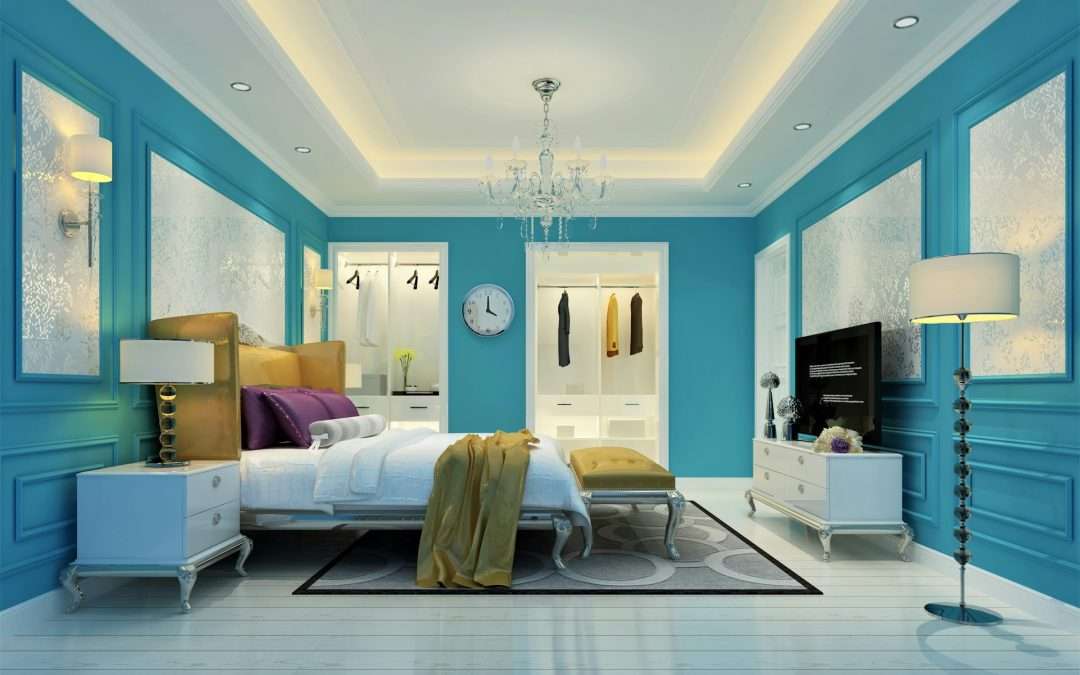
Recessed lighting has a way of completely changing the mood and functionality of a room. It blends into the ceiling without drawing attention to itself and still manages to make everything feel brighter, cleaner, and more open. Whether you’re working on a new build or updating an older home, recessed lighting gives you clean lines and a modern feel without any bulky fixtures crowding your space.
What makes recessed lighting a favorite among homeowners is its versatility. You can direct it exactly where it’s needed, highlight specific features around a room, or create a soft, ambient glow in places like hallways or living rooms. With different fixture styles and lighting temperatures available, your setup can go from practical to cozy with just a few small changes. It’s not just about looks, it’s about making each room work better for how you live in it.
Types Of Modern Recessed Lighting Fixtures
There’s more to recessed lighting than just a light in the ceiling. Today’s options give you the flexibility to choose based on both function and style. The right type can make a kitchen feel brighter for cooking or help a bathroom look more polished without being overlit, especially when combined with task-specific lighting.
Here’s a quick breakdown of popular fixture styles:
– LED recessed lights: These are energy efficient, long-lasting, and widely available. They give off less heat and work in nearly any room.
– Adjustable (or gimbal) fixtures: These allow you to angle the light toward a piece of art, countertop, or specific corner that needs extra brightness.
– Wall-wash trims: Designed to spread light across a vertical surface like a gallery wall or textured feature. It’s subtle but effective.
– Shower-rated trims: These are water-resistant fixtures made for damp places like showers or above bathtubs.
– Decorative trims: If you want something with a little flair, there are trims that add a polished finish to the exposed ring of the light itself.
For example, in a family room where you relax and watch TV, consider mixing fixed and gimbal lights. The gimbals can help reduce screen glare without losing overall brightness in the space.
Picking the right fixture is mostly about how each room is used. Some spaces call for practical light, while others need a softer and more decorative look. Thinking through these details can make a big difference in how each room feels and functions.
Choosing The Right Placement For Recessed Lighting
Where you place recessed lights is just as important as which kind you choose. Putting them in the wrong spot can create uneven lighting or too much glare, while the right setup can make a room feel warm, balanced, and welcoming. It all comes down to the room’s layout and how you use the space each day.
In high-traffic areas like kitchens, lighting matters a lot. You need clear light over prep surfaces, sinks, and islands. Many homeowners go with recessed lights along the perimeter to create even coverage, then add a few over work zones for extra brightness. In bedrooms or living rooms, the lighting tends to be softer. Instead of flooding the entire space, try mixing general overhead lights with lamps or accent fixtures to keep things cozy and natural.
Bathrooms need special attention with recessed lighting. It’s easy to go too bright or cast the wrong shadows. Lights near the vanity work well, but be sure they’re positioned to reduce glare and dark spots. Wet-rated fixtures are necessary for areas near showers or tubs to make sure moisture doesn’t cause issues.
Before the installation begins, it’s helpful to sketch out the room and decide where you want your lights directed. A few things to keep in mind:
– Keep about 4 to 6 feet between recessed lights for even coverage.
– Avoid placing lights too close to the walls, as this can create unwanted shadows.
– Try not to install lights directly over seating areas or beds where the light may shine uncomfortably in someone’s eyes.
– Always consider how natural light comes into the room so your lighting works with, not against, it.
Good lighting layout is part function and part comfort. A thoughtful plan helps you enjoy the space, no matter the time of day.
Energy Efficiency And Smart Lighting Options
If you’re replacing older lighting or starting fresh, energy efficiency should be a top consideration. LED recessed lights use far less electricity and last much longer than traditional bulbs while providing consistent, solid light. They emit very little heat, making them a perfect fit for rooms where you want to keep things cool, like kitchens or tight, insulated areas.
Smart lighting takes things to a different level. These types of recessed lights often connect via Wi-Fi or Bluetooth and can be controlled through apps or voice-activated devices. You can dim them, change the color temperature, and even set them on a schedule to suit your daily routine. For example, brighter daytime lighting for productivity, and warmer tones in the evening to wind down.
One of the biggest benefits of smart lighting is creating environments that shift easily throughout the day, all while using less power. You can also improve your home’s security by having lights turn on and off while you’re away. For busy households or those trying to cut energy use, these features are more than bells and whistles—they’re genuinely useful tools.
Energy-saving options and smart systems make it easier to light your home the way you want without driving up energy bills. They offer both sustainability and convenience, and that’s a win for your wallet and comfort.
Professional Lighting Installation Services
Choosing the perfect recessed lights is one part of the process, getting them installed correctly is another. This is where professional lighting installation services become essential. What seems like a simple project actually involves careful planning, precision cutting, proper wiring, and safe connection to your home’s existing electrical system.
Professional installers assess ceiling type, insulation clearance, and access to wiring before doing anything. These are crucial factors in making sure your installation is clean, safe, and long-lasting. A licensed electrician will know whether your current panel can handle the addition and whether any upgrades are needed.
Here’s what you can expect during a professional recessed lighting installation:
– Review of the room layout and ceiling structure
– Careful marking of placement that avoids obstructions like pipes or joists
– Preparation and cutting of the ceiling openings
– Running of new wiring through accessible spaces
– Safe installation, mounting, and power testing of each fixture
All these steps need appropriate tools, experience, and knowledge of your home’s layout. Trying to DIY this part can cause headaches, from discovering structural blocks to facing wiring dangers far beyond a basic skill level. When you hire licensed professionals from InLight Electric LLC, you can count on high-quality work and peace of mind.
Lighting That Makes Your Home Work Better
Recessed lighting adds more than just brightness—it adds function, personality, and comfort to each room it touches. When done right, it supports everything from productivity to relaxation, depending on how you design and place it. That’s why giving this kind of upgrade some extra thought pays off long after the lights are installed.
Whether you’re giving your space a fresh look or starting from scratch, modern recessed lighting is one of the best ways to elevate your home without overwhelming it. From the fixtures you choose to where they go in your ceiling, and how they fit into your lifestyle, every detail counts. Let the light you live in match the way you live every day.
Ready to transform your living space with the perfect lighting? Discover how your home can benefit from professional lighting installation services designed to highlight every room’s best features. Trust Inlight Electric LLC to deliver safe, reliable results that make your space feel brighter and more welcoming. Contact us today to get started.