
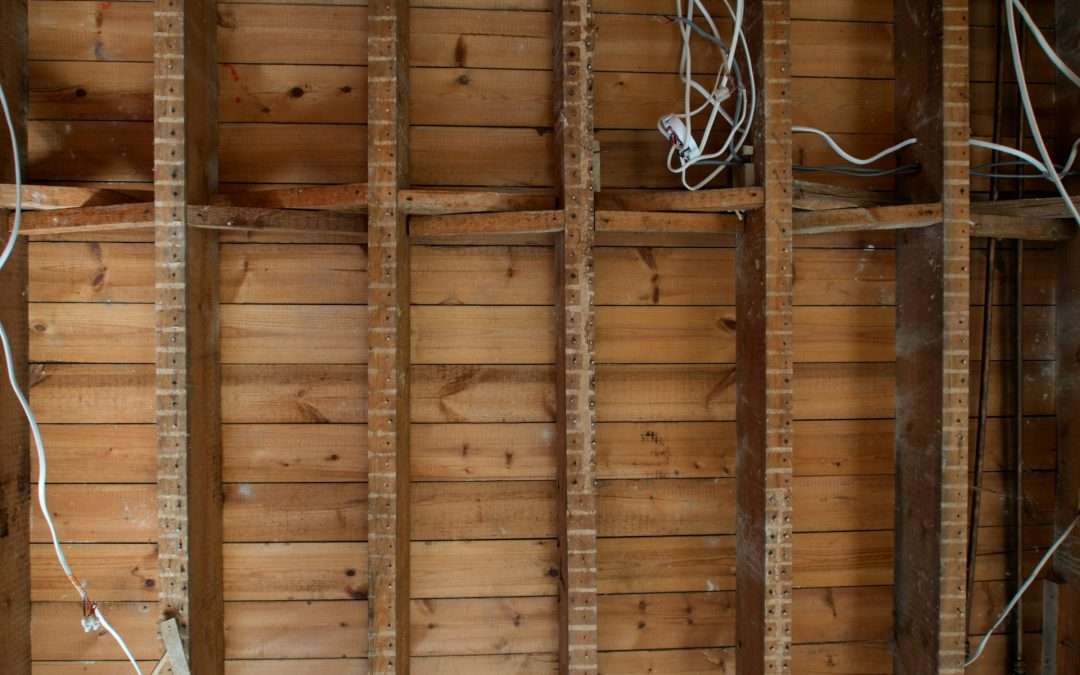
Historic homes have a unique kind of charm. The wood details, original floors, and tall ceilings carry a sense of stories long lived. But as beautiful as these homes are, they often come with a few outdated systems that weren’t built for modern-day living. One of the most common problems found in older homes is knob and tube wiring. If your house still has this type of setup, it’s worth learning why an update might be a smart move.
Knob and tube wiring was once the standard, but it doesn’t match up with how we live today. Electrical needs have changed a lot, and older wiring can’t always keep up. More than just an inconvenience, keeping this kind of system in place can lead to safety issues and make it tough to get proper insurance coverage. Let’s look at what knob and tube wiring is and why it should be on your radar if you live in a historic home.
Understanding Knob And Tube Wiring
Knob and tube wiring dates back to the early 1900s and was common through the 1940s. It worked fine for the demands of that time with lamps, radios, and maybe a refrigerator or two. Homes back then didn’t run dishwashers, microwaves, or multiple TVs like they do today. The setup itself is easy to recognize – ceramic knobs guide wires along timber framing, while tubes protect the wires where they pass through wooden beams.
This type of wiring wasn’t meant to carry the kind of load modern living requires. It has no grounding wire, which today is a basic part of preventing shocks. It’s also wrapped in materials that break down over time. Years of insulation wear, exposure to heat, and even rodents can weaken the covering around the wires. That raises the risk of overheating or fire.
Some of the most common issues with knob and tube wiring include:
– No ground wire, making the system less safe, especially for appliances with three-prong plugs
– Fragile insulation that can degrade over time, exposing the wire underneath
– Open splices where wires are joined without a protective junction box
– Overloaded circuits that weren’t designed for today’s higher power needs
You might also find it hard to get electrical work done on this type of wiring without running into code violations. Most current electrical codes have moved well beyond what knob and tube wiring was designed for. If your house still runs on this setup, chances are it’s no longer considered acceptable for repairs or upgrades.
Why Updating Is Necessary
Just because the wiring is out of sight doesn’t mean it should be out of mind. Knob and tube systems can’t deliver the electricity modern life requires. Charging your phone, running multiple appliances, or installing a home office setup can strain an old circuit. That added pressure isn’t only inconvenient – it can be dangerous.
Safety is one of the biggest reasons to switch. As knob and tube wiring gets older, it naturally breaks down. Loose connectors and worn insulation are both common over time. These issues raise the chances of overheating. It doesn’t take much – one overloaded circuit or one exposed wire – and there’s the potential for sparks and fire. Even if the system appears to be working, it becomes more hazardous with age.
There are also practical headaches that come with it:
– Limited electrical capacity means you may trip breakers or blow fuses with regular use
– Older wiring can cause voltage dips that disturb electronics like TVs, laptops, and smart devices
– Future upgrades might be a problem, since the existing wiring may not handle new fixtures or outlets
– Insurance companies may refuse to offer full coverage due to the increased risk
Some homeowners try to patch the old system with modern wiring or add extra outlets without permits. That can create a tangled setup that’s even more unstable than the original. Mixing old and new wiring without proper planning only makes things worse, not better.
If you’re planning to renovate, getting ready to sell, or simply want peace of mind, rewiring your home is worth serious consideration. You’ll get safer and more reliable power, fewer risks of outages or electronic damage, and better resale value in the long run.
Update Options For Historic Homes
Bringing your home up to modern safety standards doesn’t have to mean tearing it apart. There are ways to update knob and tube wiring that respect the architecture and details that make historic homes so special.
Electricians can often run new wiring through unseen spots like attics, basements, crawl spaces, or along trim without damaging walls. In homes with original plaster, lath, or molding, many people go room by room to minimize impact. With planning, it’s possible to upgrade safely while keeping your finishes untouched.
Your update might include:
– Total removal and replacement of knob and tube wiring with grounded copper
– A new electrical panel that can support appliances, AC units, and smart technology
– Installation of arc-fault circuit interrupters (AFCIs) for added fire protection
– Rewiring in stages to manage cost and preserve key historic features
Think ahead about preserving period lights, brass switch plates, or unique woodwork. An electrician who has worked with older homes can match new installations to your home’s style. For example, switching out worn outlets while keeping the external look consistent with the home’s age is something that can be planned ahead of time.
Hiring someone experienced with historic structures helps you avoid damage and keeps the process efficient. A well-done upgrade balances function and beauty without compromising either.
Preparing For The Rewiring Process
Rewiring takes a little preparation if you want things to go smoothly. It’s more than just calling a contractor and picking a date. Depending on how much of the house is getting rewired, it can affect your daily routine for a bit.
Here’s how to prepare your home and keep the process manageable:
1. Understand the scope: Discuss with your electrician whether the full house needs wiring or only select areas.
2. Clear the way: Move items that block access to outlets, switches, or baseboards.
3. Plan for power loss: Some sections of your home may be without power for a while during the work.
4. Ask about the schedule: A daily timeline helps you stay ahead of interruptions.
5. Protect finishes: Cover wood floors, tile, or trim you want to keep safe from dust or debris.
You can usually stay in the home during the work, but be ready for the disruption. In some cases, working in waves or staying elsewhere for a few days might be easier. If plaster dust or noise is a concern, make a plan ahead of time.
Being organized will reduce stress. Teaming up with your electrician on planning, access, and cleanup goes a long way toward keeping things smooth.
Keeping Your Historic Home Safe And Modern
Old homes carry warmth, character, and charm. But to keep them livable and secure, updates matter. Replacing knob and tube wiring is one of the smartest ways to make your home safer without losing what makes it special.
Upgrading doesn’t mean stripping away the past. It means making space for the future. With proper planning and the right crew, you can protect your floors, walls, fixtures, and trim while giving your home the dependable wiring it needs.
Whether you’re trying to protect your investment, prepare for a remodel, or just sleep better at night, know that it’s possible to move forward without losing the original character of your space. The beauty of a historic home should shine as brightly as the lights powered safely within it.
Wrap up the transformation of your historic home’s electrical system by securing an electrical rewiring service. At Inlight Electric LLC, we specialize in updating outdated systems like knob and tube wiring while preserving your home’s original charm. Let our experienced team modernize your wiring without compromising the unique details that make your house feel like home.