
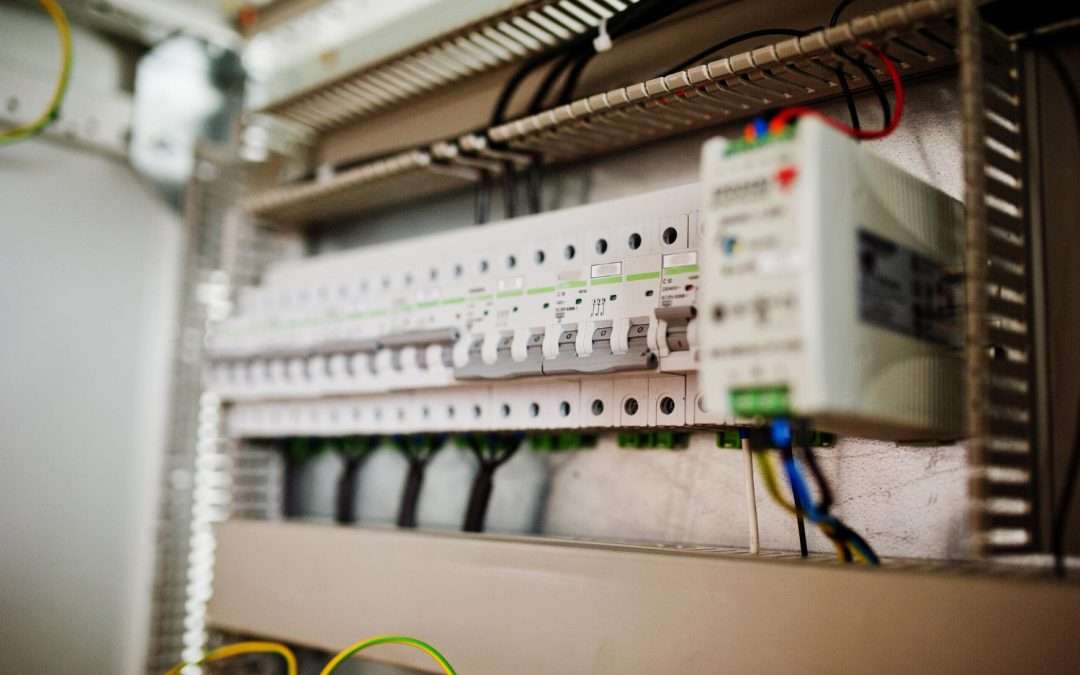
Start Spring Safely with a Smarter Electrical Panel
Upgrading a home electrical panel is one of the most important safety projects a homeowner can plan. A modern panel helps protect your family, your home, and your electrical devices, especially as you add more power-hungry items like EV chargers and AC systems. Early in the year is a smart time to handle this work, avoiding peak demand periods
Many homes around Salem and the mid-Willamette Valley feel the strain of extra space heaters, holiday lights, and then summer cooling. That strain often shows up as tripping breakers, flickering lights, or not having enough room in the panel for new circuits. A safe, code-compliant home electrical panel upgrade, done with permits and inspections, keeps you covered with your insurance company and helps protect the value of your house.
Electrical permits and code rules can feel confusing, but they are there to keep people from getting hurt and to prevent fires. Licensed contractors work with these rules every day. As a local electrical contractor based in Salem, we are familiar with Oregon codes and local inspectors, and we know what homeowners in Marion and Polk County can expect during a panel project.
Signs Your Home Electrical Panel Needs an Upgrade
Your electrical panel is like the heart of your home’s power system. When it is too small, damaged, or outdated, the warning signs often show up in everyday use. Common red flags include:
- Breakers that trip often, even during normal use
- A panel that feels warm, hums, or buzzes
- A burning or melted smell near the panel or outlets
- Lights that dim or flicker when a big appliance starts
- Little or no space left for new breakers
If you still have an older fuse box or a very old breaker panel, that is another sign it may be time for a change. Many older panels were not built for modern loads. They often lack advanced safety features and might have parts that are harder to replace.
Lifestyle changes can also push a panel past its comfort zone. Common triggers include:
- Adding an EV charger or planning one
- Installing a hot tub or swim spa
- Moving to a heat pump or higher-demand HVAC system
- Building a home office with multiple computers and electronics
- Planning a kitchen remodel with more appliances or countertop circuits
Age plays a big part as well. Panels that are several decades old may use breaker brands with known safety issues or outdated designs. You may also see aluminum branch wiring in older homes, which requires special connections and extra care. Many older systems lack modern arc-fault and ground-fault protection that help prevent electrical fires and shocks.
The good news is that not every home needs a full panel replacement. Sometimes a repair, service upgrade, or added subpanel is the better fit. A licensed electrician can inspect your system, perform load calculations, and explain what level of work makes sense for your home and budget.
Oregon Permits and Local Rules Homeowners Must Know
In Oregon, most electrical work that affects your home’s wiring, including a home electrical panel upgrade, requires a permit. The permit allows an inspector to check that the work meets code and is safe. In some cases, homeowners can pull their own permits, but panel work is complex, so it is usually safer and smoother to have a licensed contractor handle the permit and the job.
For homes in Salem and the surrounding area, permits are reviewed by local inspection authorities that handle electrical work in Marion and Polk County. During busy spring home improvement months, inspections can book up quickly, so it is smart to plan ahead. Typical steps are:
- Permit application and approval
- Work completed by the electrician
- One or more inspections to sign off the job
Skipping the permit can cause real trouble later. Homeowners may face fines or be forced to open walls back up to show hidden wiring. Future remodels can get delayed if past, unpermitted work is found. In the worst case, an insurance company might question a fire or shock claim if major electrical work was done without permits or inspections.
Before the electrician files for a permit, it helps if you can share basic details:
- Property address and whether it is a single-family home or other type
- Where the existing panel is located, inside or outside
- The current main service size if known
- Any plans for future loads like EV charging, ADUs, hot tubs, or bigger HVAC
This information helps your electrician and the inspector see the full picture so the upgrade can support both current and future needs.
National Electrical Code Basics for Panel Upgrades
The National Electrical Code, often called the NEC, sets safety rules for electrical systems across the country. Oregon adopts and amends this code, and those rules guide how a home electrical panel upgrade must be installed. Homeowners do not need to memorize code pages, but it helps to understand the big ideas.
Key NEC topics that affect a panel upgrade include:
- Service size so your main service can safely handle your load
- Grounding and bonding so faults go safely back to the source
- Working clearances so electricians and inspectors have safe access
- Circuit labeling so you can quickly find what each breaker controls
Safety devices are a big part of modern code. Ground-fault circuit interrupter breakers or outlets help protect people from shocks in wet areas, such as bathrooms and exterior locations. Arc-fault circuit interrupter breakers help reduce the risk of fire from damaged cords or wiring. The code also sets rules for choosing the right wire size and breaker size for each circuit.
Panel placement matters too. A panel needs clear working space in front of it, not blocked by shelves, water heaters, or storage. There are limits on how high or low it can be mounted. Some older panel locations, such as in clothes closets or certain bathrooms, do not meet current code and may need to be moved as part of an upgrade.
Keeping up with code changes is a big part of what a licensed contractor does. When we handle a panel upgrade, we design, install, and label the system to current code so inspections go more smoothly and you are not surprised later.
What to Expect From the Panel Upgrade Permit and Inspection
A permitted, professional panel upgrade follows a clear path from start to finish. While every home is different, the general process usually looks like this:
1. Initial visit and evaluation of the existing panel and service
2. Load calculations and planning for current and future needs
3. Permit application and scheduling with the inspection authority
4. Utility coordination if the service size or meter setup will change
5. Installation day, including panel swap, grounding work, and labeling
6. Final inspection, and any follow-up if small corrections are needed
During the final inspection, an inspector typically checks:
- The panel is securely mounted and properly supported
- Breakers match the wire sizes and panel type
- Grounding and bonding are installed correctly
- Circuits are clearly and accurately labeled
- Working clearances and access rules are met
- Wiring is tidy and protected from damage
Homeowners can help the project go smoothly with a little prep. Before work starts, try to:
- Clear access to the panel area, both floor and wall space
- Let household members know when power will be off
- Unplug or protect sensitive electronics just in case
- Be available or have someone on-site on inspection day
Power is often off for several hours while the old panel is removed and the new one is wired and tested. A professional electrician will plan the day to keep downtime as short as practical and will address any corrections quickly if the inspector requests changes.
Get Your Spring Panel Upgrade Ready to Schedule
Spring is a good time to plan a home electrical panel upgrade so permits, inspections, and any utility coordination are wrapped up before peak summer demand hits. Taking care of it early helps avoid rushed decisions when you are already dealing with AC use, outdoor projects, and more time at home.
A simple readiness checklist can help you feel organized:
- List any current issues like tripping breakers or flickering lights
- Note future projects such as EV charging, AC, hot tub, or a remodel
- Gather any old electrical paperwork or past permits if you have them
- Look at panel access and think about storage that may need to move
A thoughtful, code-compliant upgrade gives you a safer home, fewer electrical headaches, and capacity for modern technology. When a licensed Salem-based electrician such as Inlight Electric LLC handles the evaluation, permitting, installation, and inspection steps, you gain peace of mind that the work supports your home, your plans, and your long-term resale value.
Get Started With Your Project Today
If your lights flicker or breakers trip often, it may be time to schedule a professional home electrical panel upgrade. At Inlight Electric LLC, we carefully assess your current system and recommend the safest, most reliable solution for your home. Reach out today and let us answer your questions, walk you through your options, and provide clear pricing before any work begins. To schedule service or request an estimate, simply contact us.