
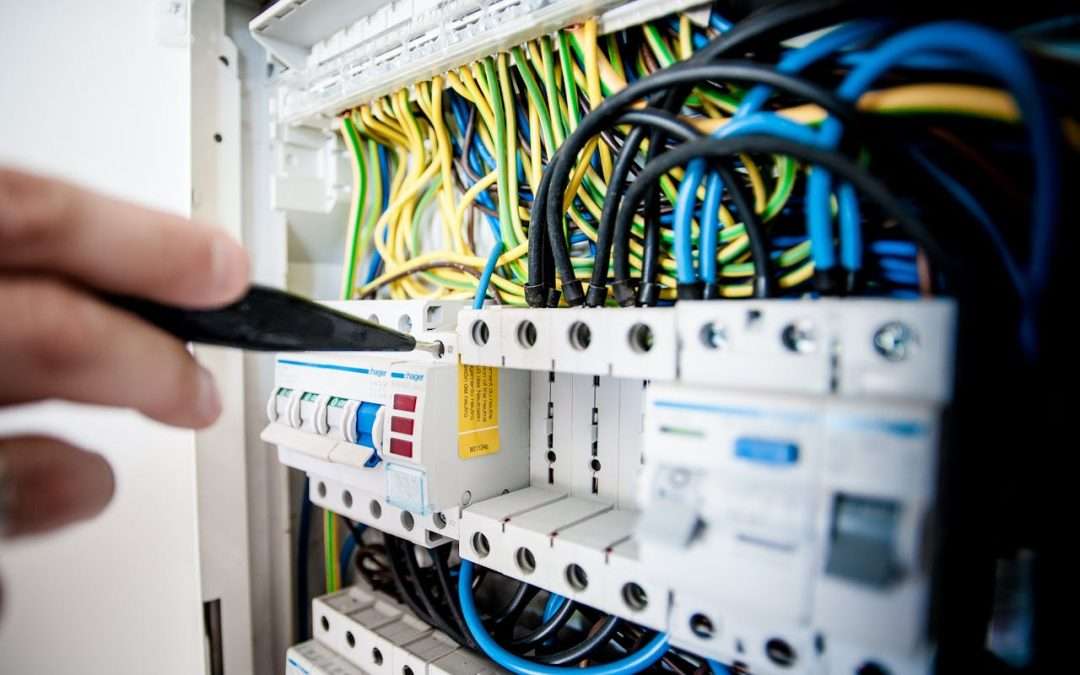
Rethinking Your Panel After Adding an EV Charger
Adding an EV charger at home feels great. You plug in at night, wake up with a full battery, and skip gas stations. But once the charger is in, many homeowners start to wonder if their electrical panel can actually keep up.
As more people in Salem install EV chargers, plus things like heat pumps, hot tubs, and home offices, older panels are getting pushed harder than they were ever meant to. That is when questions pop up about a home electrical panel upgrade. Do you really need a new panel, or can your current one be adjusted to handle this new load safely?
Our goal is to walk you through how EV chargers affect your panel, the warning signs to watch for, and what options you have before you commit to a full upgrade. With clear information, you can make a smart, safe choice for your home and your EV.
How EV Chargers Stress Your Existing Electrical Panel
An EV charger is not like plugging in a lamp. It is a heavy, steady load that runs for hours at a time, and your panel has to supply that power while still feeding everything else in your home.
There are two common types of home charging:
- Level 1 chargers plug into a regular 120 volt outlet and charge slowly
- Level 2 chargers use a 240 volt circuit and charge much faster but draw much more power
A Level 2 charger is often on for several hours at a time. During that whole charging session, your panel is working harder. If your home also has electric heat, an electric range, a clothes dryer, or a hot tub running, the demand can add up quickly.
Many older Salem homes have 60 or 100 amp panels that were installed long before EVs, central AC, or modern home electronics were common. These panels were not set up with today’s loads in mind. When you add an EV charger on top of everything else, you can end up very close to, or even over, what the panel can safely handle.
After an EV charger is added, pay attention to warning signs like:
- Lights dimming or flickering when large appliances start
- Breakers that feel warm to the touch
- Breakers that trip often, even when you are not doing anything unusual
- Buzzing or crackling sounds from the panel
- A burning or hot plastic smell near the panel
If you notice any of these, stop and get a professional to look at it right away. These are not “wait and see” issues. They can point to overheating parts or wiring problems that need prompt attention.
When a Home Electrical Panel Upgrade Is Truly Needed
Not every EV charger means you need a new panel, but sometimes an upgrade really is the smarter move.
A panel upgrade is typically recommended when:
- The panel is full or so crowded that there is no room for new breakers
- You still have an old fuse box instead of a modern breaker panel
- There is visible rust, corrosion, or signs of overheating inside the panel
- Your panel model has known safety concerns or has been recalled
The EV charger question is rarely just about the charger itself. It is about your whole home and where you are headed. If you are planning upgrades like:
- Central AC or a larger AC unit
- A heat pump or other electric heating
- A backyard hot tub or sauna
- An accessory dwelling unit or finished garage
all of that extra load stacks up. In those cases, a home electrical panel upgrade can be a future-ready choice, so you are not bumping up against the limit every time the weather heats up or you plug in your car.
That said, an upgrade is not automatic. A licensed electrician can do a load calculation, which is a careful look at:
- Your panel size and main breaker rating
- The number and size of existing circuits
- The appliances and systems in your home now and what you plan to add
That calculation shows if your current panel has enough room to safely support the EV charger, or if you are already too close to the maximum rating for comfort and safety.
Options Before Committing to a Full Panel Upgrade
If your panel is tight but not completely out of capacity, there are sometimes smart ways to make things work without a full replacement right away.
Some common options include:
- Load-management devices that automatically pause or slow EV charging when other large loads are running
- Chargers that adjust their charging speed based on how much power is available
- Time-of-use charging, where your EV charges during low-demand hours at night
There may also be ways to free up space or reduce strain on your existing panel, such as:
- Removing unused or abandoned circuits that are taking up breaker space
- Moving certain large loads to different times of day so they do not overlap with EV charging
- Upgrading specific circuits that are weak or outdated
These are not DIY projects. Any changes like this should be planned and installed by a licensed electrical contractor who understands electrical code, local utility practices, and how seasonal energy use affects your home. A careful look at your habits, like when you do laundry or run AC, can sometimes help avoid a full home electrical panel upgrade until it is truly needed.
What to Expect From a Professional Panel Evaluation
If you are unsure whether your panel can handle your EV charger long term, a professional evaluation is the best next step.
A typical visit includes:
- A visual inspection of your panel, breakers, and grounding system
- Checking for loose connections, signs of heat, corrosion, or damage
- A detailed load calculation based on your current appliances and any planned additions
We also look for any code or safety issues that may have been overlooked in past work, like double-tapped breakers, missing covers, or outdated wiring methods.
After the evaluation, you should get clear, simple recommendations, usually in one of these forms:
- Your panel is fine, and only small adjustments or a simple EV charging strategy are needed
- You should add load management for the EV charger to stay within safe limits
- You would benefit from a full home electrical panel upgrade to safely support your EV and future projects
An evaluation visit is usually completed in a single trip. It helps to have a few things ready, like the EV charger brand and model, how many miles you typically drive, and any recent or planned upgrades, such as a new AC system or hot tub. Handling this in the milder months can put you in a better spot before your summer electricity use ramps up.
Power Up Your EV and Your Home with Confidence
An EV charger should feel like an upgrade, not a source of worry. If you have any doubts about your panel after adding a charger, or you are seeing early warning signs, this is the time to address them, not later.
- A properly sized and well-maintained panel means:
- Reliable EV charging without constant breaker trips
- Better performance from AC and other big appliances
- Lower risk of overheating and electrical fires
- A home that is ready for future electrification projects
With a careful evaluation and the right plan, you can charge your EV, cool your home, and enjoy your upgrades with confidence that your electrical system is built to handle it.
Get Started With Your Project Today
If your lights are flickering or your breakers keep tripping, it may be time to schedule a home electrical panel upgrade with Inlight Electric LLC. We will assess your current system, explain your options in clear terms, and complete the work with safety as the top priority. To book an appointment or ask questions, simply contact us and we will follow up promptly.