
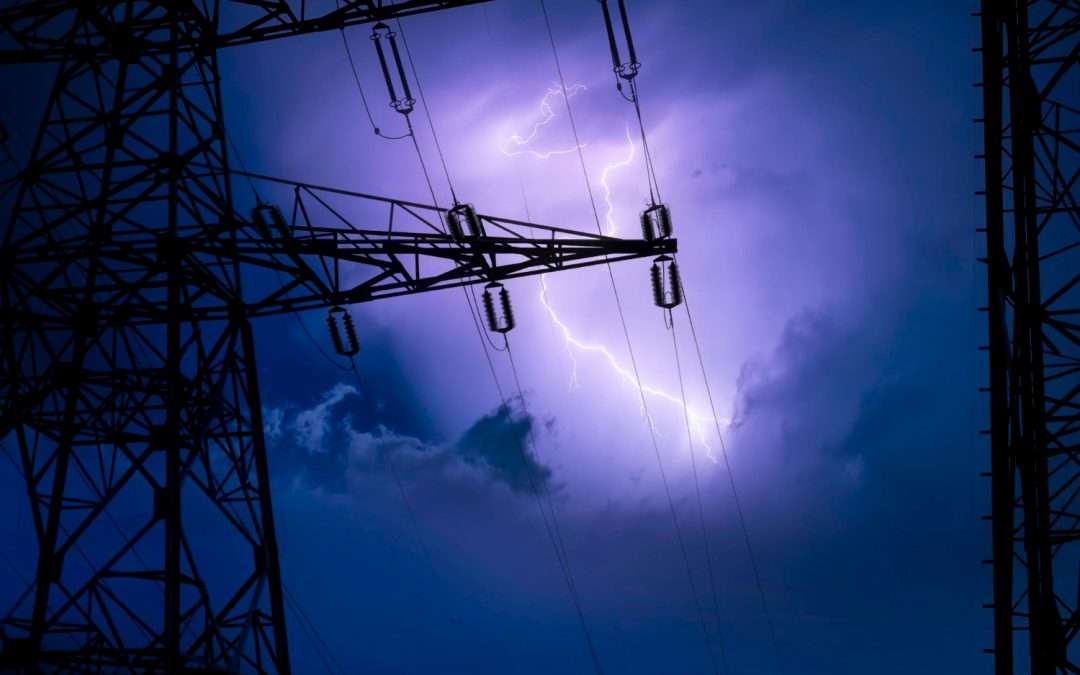
Power surges during storms can catch people off guard. One minute everything’s fine. The next, your lights blink, your TV shuts off, and that buzzing sound from your outlet makes you pause. Stormy weather often brings more than just heavy rain or strong winds. It can also send unexpected jolts through your home’s electrical system. Those random flashes of lightning or fallen branches can do more than knock out your power. They can damage your home’s electronics or even your electrical panel.
Understanding how and why these surges happen helps you better protect your home before a storm rolls in. Whether you’re dealing with flickering lights, fried circuits, or appliances that suddenly give out, there’s usually a deeper cause behind it. When electricity enters your home faster or in larger amounts than expected, that’s when problems begin. And storms? They’re one of the biggest triggers.
What Are Power Surges?
A power surge happens when too much electricity flows into your home’s wires all at once. Think of it like an unexpected flood in your electrical system. That big wave of energy looks for any path it can find, whether through your outlets, appliances, or lights. When it hits, it can overheat wires and even melt parts of your devices from the inside out.
Surges aren’t always from something big and obvious like a lightning strike. In fact, many come from smaller, more ordinary things:
– When large appliances like air conditioners or refrigerators turn on or off, they may cause small, quick changes in current
– Faulty wiring or overloaded circuits inside your house can trigger surges
– Power coming back on after an outage often returns with a strong jolt
These smaller surges might not fry your electronics immediately, but over time, they can wear things down. You might notice your computer doesn’t turn on like it used to. Or maybe your microwave’s display gets harder to read. If you’ve ever had to replace a coffee maker unexpectedly, this could be why.
Even your home’s breaker panel, if outdated or poorly set up, might not react quickly enough to stop a surge. That kind of hidden wear and tear can go unnoticed for a long time until something stops working or sparks a more serious issue.
How Storms Contribute To Power Surges
Storms shake things up. When lightning strikes nearby, power lines can absorb all that energy. That jolt has to go somewhere, and often it heads straight for homes built around the area. The electricity travels fast and doesn’t always care whether it fries a gaming console or the wiring behind your walls.
But it’s not just lightning that causes trouble. Here’s a closer look at a few storm-related causes of power surges:
1. Lightning Strikes: Direct or nearby strikes load electrical lines with more energy than they’re meant to handle. That energy travels into nearby homes quickly and often unpredictably.
2. Falling Trees and Branches: Wind can knock down lines or cause momentary contact between them. This can shock the circuit or create a spike that reaches your house.
3. Flooding or Water Damage: Water around or inside electrical components increases the risk of short circuits, which can cause surges or permanent system damage.
4. Grid Instability: Storms put extra pressure on utility systems. Rolling blackouts or partial power losses often return with powerful spikes once the power comes back.
Here’s a simple example. Let’s say a storm knocks a branch off a tree, and it hits a nearby transformer. That quick contact might cut power to your street for a second or two. When it comes back, the rush of electricity can surge through everyone’s home at once. If your devices aren’t protected, they bear the impact right away.
Many people don’t realize the full damage until after the storm passes. Lights may turn on again, but things may not work like they did before. That’s why being aware of these weather-related triggers is one of the first steps in properly guarding your electrical system.
Preventive Measures During Storms
You can’t always stop a storm, but you can take steps to guard your home’s electrical system while it’s happening. A few smart and realistic adjustments can help make sure power surges don’t lead to fried devices or damaged wiring.
Start by using quality surge protectors. Not all power strips come with built-in surge protection, so make sure the one you’re using is designed for the job. These devices help block extra voltage before it can land in your electronics. Bigger appliances, such as ovens or washer-dryers, may require hardwired surge protection to be installed directly into your home’s electrical panel. That’s something an electrician can help you determine.
Another simple step is unplugging sensitive devices before a storm hits, especially if you know there’s a chance of lightning or downed power lines. Items like computers, routers, gaming consoles, and TVs should be unplugged, even if they’re on a power strip.
Here are a few more tips to help lower risk during stormy weather:
– Keep your breaker panel updated and inspected every few years
– Trim back trees that might damage outdoor lines near your house
– Don’t overload outlets or circuits with too many devices at once
– Avoid running large appliances during active lightning storms
– Use whole-home surge protection if your area sees frequent outages
Most people wait until after the damage to act, but a quick check of your system ahead of storm season gives you a better shot at catching weak spots early. If any part of your electrical setup appears dated or patched together, it may be time for a more thorough inspection.
When To Seek Professional Help
Even if everything appears to be okay from the outside, your system may still be vulnerable. Some signs are pretty easy to spot, such as flickering lights, scorched outlets, or electronics that keep shutting down for no clear reason. If you’re resetting breakers more often than usual or your surge protectors are constantly tripping, that could signal something bigger going on behind your walls.
These kinds of problems aren’t always easy to trace without the right tools. Waiting can make things worse, especially if wiring or connections are overheating. That’s why it’s better to have a licensed electrician take a look. They’ll know how to test for changes in voltage, damaged circuits, or outdated components that no longer offer adequate protection.
Look for someone experienced with:
– Diagnosing electrical damage after surges
– Replacing or upgrading electrical panels safely
– Checking circuit loads to make sure you’re not overloaded
– Installing surge protection systems or grounding improvements
– Handling moisture-related damage in crawl spaces or basements
Hiring someone who understands storm-related surge problems gives you an edge and helps prevent future outages, too. You’re not just protecting your electronics, you’re making sure your home runs safer during storms.
Staying Safe And Prepared
Storm season doesn’t always show up with a warning. All it takes is one lightning strike or a single damaged line to send a surge through your wiring, knocking out everything from your router to your refrigerator. Knowing how those surges occur and what causes them is your first line of defence. Action is your second.
Making a few changes now, such as using surge protectors, updating older systems, or unplugging devices before trouble arises, can help save you frustration down the road. If something’s off or you’re unsure about the setup you already have, getting a professional opinion goes a long way. You’ll be far better off being handed a solution before damage happens instead of scrambling to fix it after your power’s already out.
Staying prepared doesn’t mean expecting disaster. It simply means being aware of how quickly things can change and being prepared ahead of time. Whether you’ve been through dozens of storms or only see them a few times a year, protecting the electrical system in your home gives you peace of mind that’s well worth the effort.
If your home’s lights have been flickering or your devices aren’t working like they used to after a storm, it might be time to take action. Our home electrical repair services can help identify and repair hidden damage before it leads to more serious issues. At Inlight Electric LLC, we work to keep your electrical system safe, steady, and storm-ready year-round.