
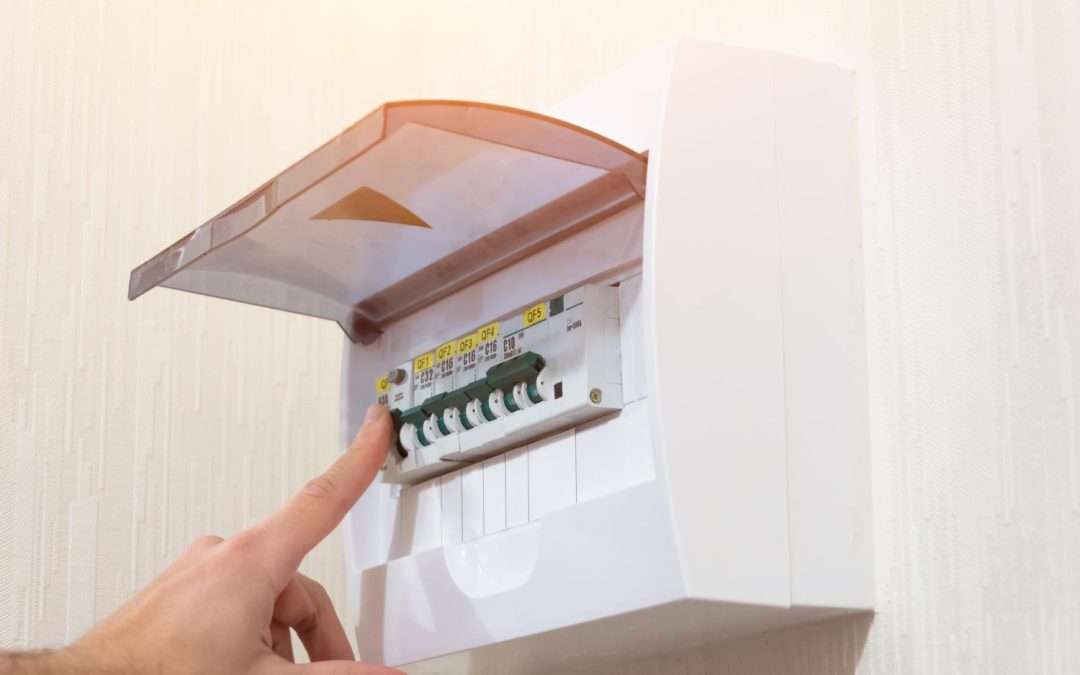
Fall tends to sneak up fast, and with it comes a different kind of home energy use. More time indoors means more lights, heaters, and plugged-in devices working all day and night. That shift can stretch older systems thin, especially when they weren’t built for today’s homes. That’s where electrical panel upgrades come in. They don’t just give your house more power. They help keep your space safe and your routines running without hiccups.
Planning these upgrades during fall gives homeowners a chance to get ahead of winter stress. It’s easier to make changes now than during cold, icy weather. A bit of prep work now can help avoid outages and electrical worries later on. It’s not just smart. It’s practical.
Why Fall Is a Smart Time for an Upgrade
October and November may bring cooler air, but they also bring heavier electrical use inside most homes. Lights stay on longer, space heaters kick in, and ovens get more action with holiday baking and gatherings. If a panel is already near its limit, this jump in demand can push it over.
Older panels might not have space for new circuits. If you’ve added more kitchen tools, a home office, or a new entertainment setup, it might be time to rethink your system. That’s part of why fall is an ideal season to plan the work. The outdoor weather often allows for easier working conditions with rising demand.
Planning before winter hits also means avoiding delays. Snow, freezing rain, or frozen ground can slow electrical projects. By acting in the fall, you sidestep the chaos and keep your schedule on track.
Early Signs Your Panel May Not Keep Up
There are signs that your system might already be under pressure. Flickering lights are a common one that’s easy to overlook. But if they blink when major appliances turn on, it could mean your panel is having trouble spreading out the load.
Circuit breakers that trip often are another red flag. The panel may be trying to protect itself from bigger problems. Warm spots near the panel or outlets are worth paying attention to, too. They can signal heat build-up, which might mean old wiring or too much demand on a single area.
Home upgrades also play a part. If you’ve recently installed new HVAC systems, electric vehicle chargers, or high-energy appliances, your panel might not have the capacity to support them long-term. It’s not just about what the panel is doing now but about what it can handle moving forward.
You might also notice buzzing sounds coming from the panel or outlets. These noises can be a sign that electrical components are wearing out or connections are not as tight as they should be. Paying attention to unusual smells, like burning or melting plastic, is also important, as these can indicate a need for immediate attention. Caught early, these signals make it easier to avoid bigger complications and keep your home’s systems reliable.
Steps to Getting Prepared
A good upgrade starts with a solid plan. That begins with knowing what your current system is doing and what your future needs look like.
• Make a list of any changes over the past year, like added rooms, appliance replacements, or new electric heating
• Think ahead to possible new additions, like a hot tub, outdoor heating, or more lighting for the darker months
• Budget extra time. Projects can move faster when the weather is mild and before the year-end rush, but it’s still smart to build in a cushion
Stay clear about your goals. Upgrading doesn’t always mean going big. Sometimes, a small boost in capacity or more modern safety features is enough. Either way, taking time now can keep things from getting rushed or stressful later on.
Consider if your household plans to add electric cars, larger entertainment centers, or more internet-connected devices that depend on steady power. Looking at your power bills over the last year can help you spot times when your system has been working hardest. By reviewing where your home’s needs have grown, you can make a checklist for your electrician. This way, you’ll make better choices about capacity and features that you want in your upgrade.
Communication is key, too. Talking openly with your electrician about your expectations, budget, and daily routines will help set up the project for success. They can offer advice on timing and how any planned changes will work with your current panel. Clear plans now help keep everything on budget and create a smooth process when it’s time to start work.
What a Pro Will Look for Before the Upgrade
Before work starts, licensed electricians need to take a full look at your home’s electrical setup. They’ll check whether your wires can handle more amperage or if they need to be replaced or reinforced. The wiring behind the walls matters just as much as the panel itself.
Next, they’ll make sure your panel’s location meets code and gives enough breathing room. Safety clearances are there for a reason, and fall is a great time to make those adjustments with less interruption to daily life.
Thinking long-term is part of the planning, too. A good technician will ask about your daily routines, long-term goals, and any upgrades on the horizon. That way, you’re not facing another panel change a few years down the road.
They will also look for signs of past repairs or overused circuits and any old or damaged wiring that could create hazards. It helps to make a list of past shocks, outages, or problems so they can check those spots closely.
Electricians often want to see the age of the home, the size of the appliances, and if you have enough grounding and surge protection for all your devices. Sometimes, safety code rules change, and a pro allows you to catch any updates that could affect your project or home insurance. This careful review builds a strong foundation before any actual work begins.
How to Ensure a Safer Upgrade Day
The day of the upgrade doesn’t have to be stressful, but it does help to be prepared. Here are a few ways to make things easier and safer for everyone involved.
1. Clear the space around your panel before crews arrive. This helps them move freely and work faster
2. Make a plan for kids and pets. They should stay away from the work area for their safety
3. Expect a short interruption in power. It’s normal, and planning for it can help avoid surprises
4. Ask about permits or inspections early. These steps are common, and knowing the timing helps everything stay on schedule
Little things like these can make a big impact. They also help avoid unnecessary delays or confusion when work begins.
Think about moving sensitive electronics to a place where the power won’t be cut. If you work from home, let family or roommates know about the planned outage and confirm everyone is updated on the schedule.
Marking the work area with a temporary sign can prevent someone from entering by mistake. Having your questions written down ahead of time gives you a chance to get answers and avoids last-minute worries. All these easy steps help your upgrade day move quickly and with fewer problems.
Keep Your Power Ready for What’s Ahead
Fall might feel like it’s all about pumpkins and football, but it’s also one of the best times to take control of home systems before they’re tested by winter. Electrical panel upgrades can be a helpful part of that plan, allowing your house to meet today’s needs safely and smoothly.
Working with experienced professionals like InLight Electric LLC means you’ll benefit from modern diagnostic services, including infrared inspections that catch hidden panel issues before they become hazards. Our Salem, Oregon, team specializes in custom panel upgrades and repairs, delivering solutions based on local safety codes and your future energy needs.
By starting early, you give yourself time to prepare, ask the right questions, and finish everything without seasonal roadblocks. More than anything, it’s about peace of mind. Knowing your home is ready to handle whatever comes next makes the season ahead a little bit less complicated.
As fall arrives, ensure your home’s electrical system is prepared for the increased demand by prioritizing electrical panel upgrades. Inlight Electric LLC in Salem, Oregon, is here to help you spot potential issues and enhance your panel’s capacity for smooth, safe winter operation. Don’t ignore flickering lights or frequently tripped breakers. Contact us today to discuss your upgrade needs and gain peace of mind for the season ahead.