
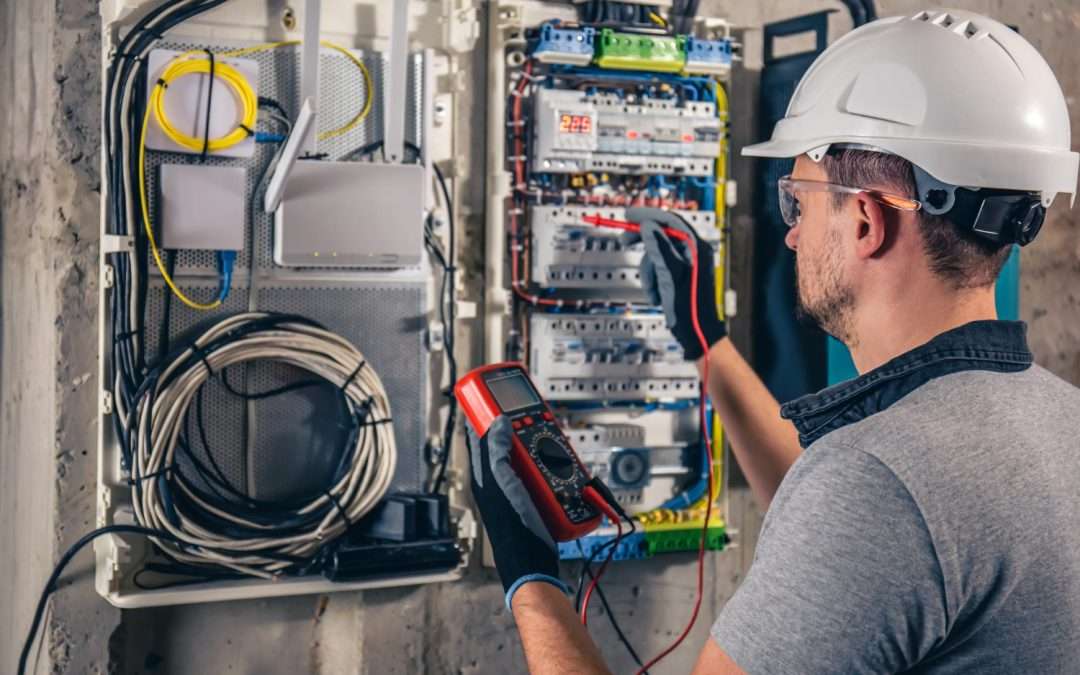
Your home’s electrical panel is the hub for every plugged-in device, flicked-on switch, and appliance you depend on daily. Over time, power needs change and electrical systems feel the strain. If your panel isn’t keeping up, the signs may sneak in slowly until something goes wrong. Knowing when to get your electrical panel inspected can help prevent costly repairs and keep your home running safely.
Getting ahead of electrical issues is easier than you think. Regular inspections can catch problems before they grow. Burnt smells, flickering lights, or outlets that feel hot could be trying to tell you something. Staying alert to the warning signs and knowing when to call in a licensed electrician is key to making sure your electrical panel is still up to the job.
Signs Your Electrical Panel Needs a Checkup
Sometimes, your electrical panel lets you know it’s time for a checkup without saying a word. The signs are small but easy to spot when you know what to look for. These signals mean your system might be dealing with outdated parts, wear and tear, or an overall mismatch with your current electrical load.
Watch for these signs around your home:
– Breakers that trip often, even when you’re not running more devices than usual
– Lights that dim or flicker without a clear cause
– A panel that feels warm to the touch or gives off a strange burning odor
– Outlets that spark or switches that make buzzing, clicking, or popping sounds
– Rust, discoloration, or warping on or around the panel box
One homeowner noticed their hallway lights would occasionally dim when the microwave and coffee maker ran at the same time. After putting things off for a while, the issue spread to other rooms. When an electrician checked the panel, they found overloaded circuits and an older panel that wasn’t built for modern power use.
If things start seeming a little off, don’t wait to see if they’ll fix themselves. Electrical issues often simmer quietly before turning into big problems. Getting your panel looked at now helps avoid scrambling for help later.
How Often Should Electrical Panels Be Inspected?
There’s no one-size-fits-all answer, but there are general timeframes and life changes that make it clear when an inspection makes sense. For most homes, a panel inspection about every 3 to 5 years is a good rule of thumb. But factors like how old your home is or whether you’ve added new appliances might mean you should schedule one sooner.
You might want to book an inspection sooner if:
– Your home is over 30 years old and the panel hasn’t been evaluated recently
– You’ve done a remodel, added high-power appliances, or installed a hot tub or EV charger
– You’re noticing any of the warning signs mentioned earlier
– You’re planning to sell your home or buy an older one that hasn’t been updated
Frequent small power problems can hint at a bigger issue behind the scenes. Panels wear down over the years, especially if they’re overloaded or paired with outdated wiring. Even if you haven’t had any electrical work done recently, time alone can push a system past its limit.
A regular inspection gives you a heads-up on what’s still working well and what might need upgrades. It’s a small step to stay ahead of larger repairs and a good idea to make sure your home matches current safety standards.
What to Expect During an Electrical Panel Inspection
When an electrician inspects your home’s electrical panel, the process is usually straightforward but thorough. They aren’t just giving the box a quick glance. They’re looking closely at how well your system is handling your home’s daily electrical load. That means checking for wear, loose connections, overheating, and whether the panel itself is still up to current codes.
Here’s a breakdown of what typically happens during the visit:
– The electrician starts with a visual check for signs of damage like rust, scorch marks, or corrosion inside the panel
– They open the panel cover and inspect the breakers for proper labeling, secure wiring, and signs of overheating
– Voltage is tested to confirm circuits are distributing power as they should
– The grounding and bonding systems are reviewed for safety and code compliance
– If you’ve mentioned specific symptoms like tripping breakers or flickering lights, they may do additional targeted testing
After the inspection, you’ll get a rundown of what they discovered. If everything looks good, great—you’ve got peace of mind. But if something needs fixing or replacing, you’ll be told what it is and why it matters. Some issues might require changes right away, while others could be minor and more about planning ahead.
Don’t be surprised if upgrades are suggested, especially if your home is older or you’ve added modern electronics that the original panel wasn’t built to support. That doesn’t mean something is wrong—it could just mean your power setup hasn’t caught up to how your home is used today.
Why Regular Electrical Panel Inspections Matter
Keeping your electrical panel in check isn’t just about convenience—it’s about safety and making sure everything works the way it’s supposed to. A lot of problems that start in the panel can ripple throughout a home, affecting your lights, appliances, or even things like your AC system. If an inspection prevents just one power surge or wiring short, it was worth it.
There are real benefits beyond catching problems early. For example:
– Lower risk of electrical fires from overloaded circuits or faulty breakers
– Fewer surprise outages and unwanted trips to reset the panel
– Extended lifespan of appliances, since steady power helps avoid burnout
– Confidence that your system meets code, which can help if you sell your home
It’s a bit like getting your car serviced. You can skip it for a while, but eventually, issues add up and it usually costs more to fix when they do. A small amount of attention upfront helps keep everything steady and safe for the long haul.
Stay Ahead of Electrical Problems Before They Grow
Electrical panels might not get much attention on a day-to-day basis, but they’re the backbone of your home’s power. Ignoring signs of trouble or skipping inspections can put your property and your family at risk. Regular check-ins aren’t just smart—they’re part of keeping your home working well and ready for the demands of modern life.
If the last time your panel was checked you still had a flip phone, it’s probably time to take a closer look. Today’s homes handle far more power than even a decade ago. Making sure your panel can keep up helps prevent wear, reduce hazards, and keep your lights on when you need them most.
If you’re noticing signs that your system may be struggling to keep up, it might be time for a home electrical panel upgrade. Modern households demand more power than ever, and an outdated panel can put your safety at risk. Contact Inlight Electric LLC to schedule an inspection and get expert help tailored to your home’s needs.