
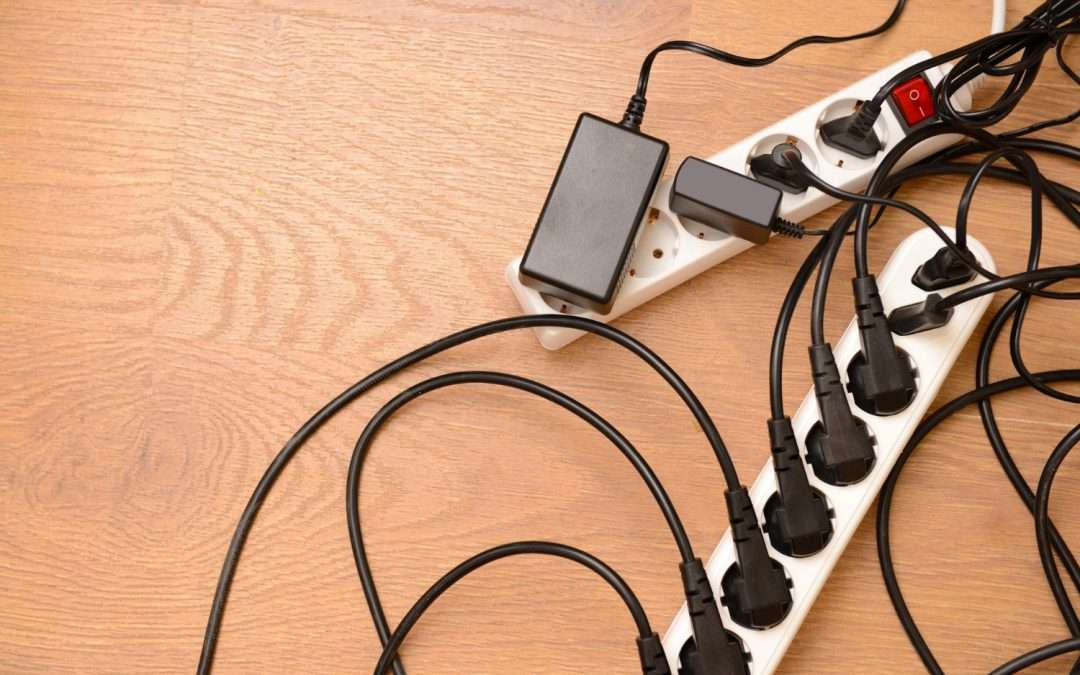
It’s easy to take your electrical system for granted until something starts acting up. A few flickering lights, a tripped breaker, or a faint smell near an outlet might seem like small issues, but they could be signs of something bigger. An overloaded electrical system doesn’t always make itself known in obvious ways. Sometimes, it shows up in repeating patterns that are easy to overlook until it’s too late.
If these issues continue, they can lead to real safety risks. Fires caused by electrical overloads often start with overlooked warning signs. Knowing what to keep an eye out for can help you catch problems before they become dangerous or costly. Here are the common symptoms to watch for around your home or business.
Flickering or Dimming Lights
Lights that dim or flicker when appliances are turned on may be trying to tell you something. This is one of the most common early signs that your electrical system might be overloaded. You might notice the issue when larger appliances like the fridge, microwave, or AC unit kick on. When these appliances demand more power, the lights drop in brightness as the circuit struggles to keep up.
A voltage dip happens when a circuit is using more electricity than it should. Lights, especially older or more sensitive ones, react by flickering or dimming. It could be a single overloaded circuit, or a bigger issue at the panel level. The flickering isn’t always constant. It might happen more in certain rooms or certain times, and these patterns help pinpoint which part of your system is under strain.
Check for these signs:
– Do lights flicker when specific appliances turn on?
– Does it happen in one spot or across different parts of the house?
– Are both LED and older bulbs affected?
– Is the flickering consistent or random?
If the answer to any of these is yes, it’s time to call a licensed electrician. Continuing to run your system under stress wears down wiring and devices over time. A professional can test the setup and let you know if upgrades or load balancing are needed to prevent further damage.
Frequent Tripping of Circuit Breakers
Circuit breakers serve as your system’s line of defense. They shut things down when too much power flows through a circuit, stopping heat from building up in the wires. If a breaker trips now and then, that’s normal. But if it’s happening again and again, especially with the same breaker, that’s a red flag for an overloaded system.
Each circuit is designed to handle a certain amount of electrical load. Stack too many big power users like space heaters, toasters, and air conditioners on one circuit, and it gets overwhelmed. The breaker trips to prevent overheating, but when it keeps happening, something’s not right.
Here are signs that breaker trips may be overload related:
– You reset the same breaker several times a week
– Tripping happens when using multiple big appliances together
– The breaker doesn’t stay on even after unplugging some devices
– Your electrical panel seems outdated or undersized
Think of running a space heater in winter while also using the microwave. When both are running at once, the breaker might trip. This isn’t bad luck; it’s a warning that your wiring and breakers can’t handle the load they’re being asked to support.
Allowing this to continue puts strain on the breaker and wires. Over time, breakers may fail to trip when they’re supposed to, leaving wires to overheat dangerously. Getting your panel and circuits checked will identify whether it’s time to upgrade or reorganize your system.
Burning Smell or Scorch Marks
If you pick up on a burning smell near an outlet, do not ignore it. This is often one of the most alarming signs of a system that’s overheating. Burning plastic or rubber scents usually mean that the wire insulation is breaking down or that small arcs are forming inside the outlet. If left unchecked, this creates a real fire risk.
Scorch marks are visual proof that something has already gone wrong. Outlets should never be warm to the touch or have any form of dark staining. If you see black or brown marks around an outlet or panel, that heat has already damaged materials behind the cover.
Watch for these warning signs:
– Consistent burning smell from the same outlet or area
– Outlet covers that are discolored, blistered, or warm
– Extension cords or plugs that feel hot after use
One example might be plugging in a high-wattage kitchen appliance, like an air fryer. A few minutes later, the outlet smells strange, and a closer look reveals browning around the plate. That means the wire behind it likely got far too hot and may be unsafe to use.
Turn off the power to that area immediately and contact an electrician. These smells and stains usually point to active overheating; it’s not something to wait out or hope gets better on its own.
Warm or Sparking Outlets
Outlets should never feel hot. A little warmth is okay when a high-energy device is plugged in, but anything beyond that deserves attention. If you ever see a spark when plugging something in, feel heat from the plate, or notice melted spots, that outlet needs to be checked right away.
Sparking often points to a wired connection coming loose or corrosion breaking down the contact point. When you plug something in and see a tiny arc or hear a pop, electricity is jumping through space instead of following the wires like it should. That momentary spark can happen once, but if it keeps happening, it’s not a fluke.
Signs of outlet trouble:
– Heat on the wall plate when the outlet is in use
– Sparks or a small flash when plugging in a device
– Outlets that are discolored around the socket
– A faint smell of burnt plastic or rubber
For instance, if you plug in a vacuum cleaner and see a quick flash or hear a snapping sound more than once, that outlet may not be holding the connection tight anymore. Hot or sparking outlets should always be looked at right away. These aren’t problems you can fix safely on your own.
An electrician will be able to shut off the power, remove the outlet, and inspect for damage. In some cases, the entire circuit may need repair if the connected wires are worn out or the load isn’t balanced.
Buzzing Sounds from Electrical Fixtures
When your electricity is working right, it should be silent. Switches, plugs, and light fixtures shouldn’t buzz or make noise. Buzzing is often one of the quieter signs of trouble but can point to big problems underneath the surface. It often means a wire is loose, the current is unstable, or there’s arcing inside the fixture.
You might notice a low hum from a dimmer switch or a light fixture that hisses when turned on. These noises can sound harmless at first, but they’re signs that current isn’t flowing cleanly. Over time, that bad flow can cause overheating and wire wear inside the walls or at the source.
Places to listen:
– Dimmer switches that buzz when lights are on
– Overhead lights that hum after warming up
– Outlets or plugs that crackle when something’s running
– Devices like fans that sound louder than expected under load
So if you hear a floor lamp buzz or a ceiling fixture hum lightly whenever the TV is running, it’s not something to ignore. A low sound can signal that the wire contact is going bad. These symptoms often go hand-in-hand with other signs like flickering or hot outlets.
Bringing in a pro to troubleshoot the source of the noise can stop whatever’s happening behind the wall from getting worse or more dangerous.
Stay Ahead with Regular Checkups
If you’ve noticed any of these signs, there’s a good chance your system is telling you it needs attention. Electrical warning signs are rarely random. Most of these issues show up well before there’s obvious damage, and addressing them early can save money and reduce risk.
As more homes plug in more devices and rely on more power, electrical systems have to work harder. Panels that were installed years ago may not have the capacity needed to safely supply modern living. That can leave circuits overloaded or outlets showing wear long before a major failure strikes.
Routine maintenance is one of the best ways to catch subtle problems before they become big ones. From buzzing sounds and flickering lights to scorched outlets and tripping breakers, these signs are your system’s way of asking for help. With a professional inspection, you can get answers and make sure your setup is safe and up to today’s standards.
Ignoring signs of an overloaded system puts your home or business at risk. Take strange smells seriously, trust that sparks are never a good sign, and never keep resetting the same breaker, hoping it’ll stop on its own. Electrical health is just like anything else; it works better, lasts longer, and stays safer when it’s checked regularly.
Are you noticing these troubling signs in your home? Electrical issues shouldn’t be ignored, as they can quickly escalate into something more dangerous. If you’re seeking peace of mind and need to address concerns like flickering lights or buzzing outlets, consider a proper assessment. To add another layer of safety, consider scheduling a fire alarm installation to help protect your home and loved ones. At Inlight Electric LLC, we aim to keep your home safe and your electrical system running smoothly.