
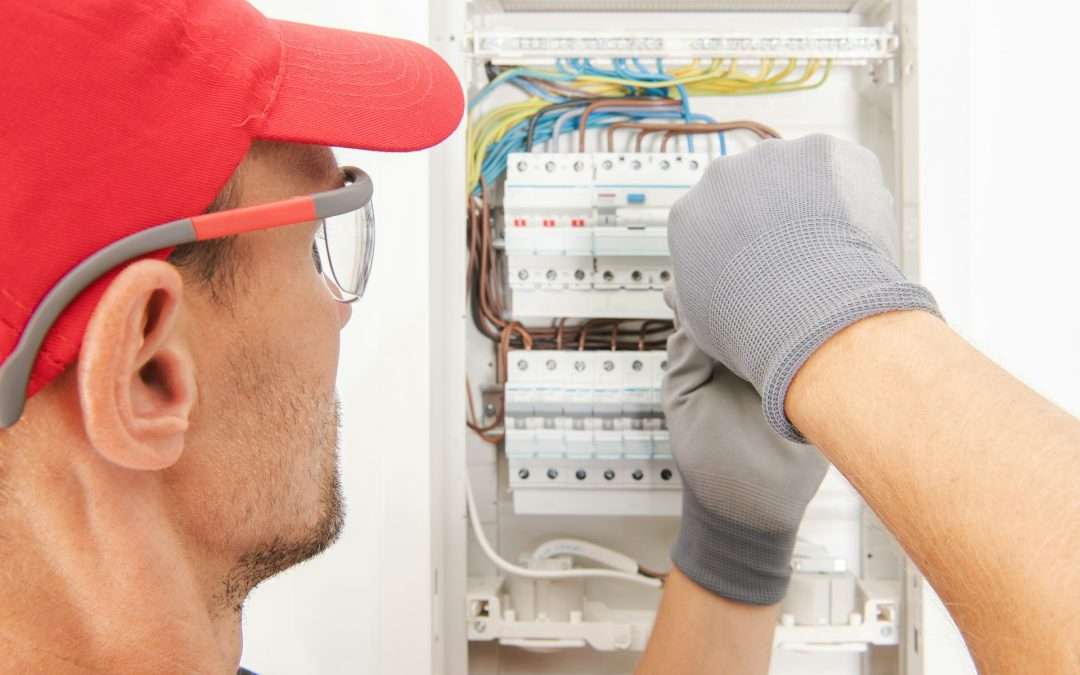
Getting ready to sell your home can feel like a big job. Between cleaning, repairs, and paperwork, there’s a lot to think about. One thing that often gets missed but definitely shouldn’t is the pre-sale electrical inspection. This report plays an important role in showing what’s safe, what’s not, and what might need a closer look before anyone signs on the dotted line.
It’s about more than passing a test. A thorough electrical inspection gives both you and potential buyers peace of mind. It helps you understand the condition of your home’s electrical systems, from the wiring inside the walls to the outlets in the living room. Knowing what’s in your report ahead of time means fewer last-minute surprises, which could save you time, money, and stress.
Basics Of A Pre-Sale Electrical Inspection
A pre-sale electric inspection and testing checks the condition and safety of your electrical system before you list your house on the market. It typically involves looking at all the key pieces of your setup including wires, outlets, switches, breakers, and panels to make sure they’re running safely and efficiently.
An inspector, usually a licensed electrician, walks through the home and goes room to room while checking electrical points. Here’s a glimpse at what this inspection often includes:
1. Examining the electrical panel for age, capacity, and any signs of overheating or damage
2. Checking circuit breakers to make sure they’re labeled and working correctly
3. Testing outlets to ensure they’re properly grounded and not loose
4. Looking at visible wiring for wear, fraying, or poor connections
5. Testing light switches and fixtures for safety
6. Inspecting areas like kitchens and bathrooms for proper GFCI protection
In some cases, advanced tools like infrared cameras might also be used to detect hidden hot spots that could lead to problems if ignored. The goal is not just to find the obvious, but also to catch early signs of wear or risky setups that aren’t easy to see.
This process can feel like a lot, but it’s done with your safety and your home sale in mind. For example, imagine your breaker panel hasn’t been touched in years. It might be working just fine on the surface, but an inspection could reveal signs of an overloaded circuit or outdated breakers that need attention. Fixing these before selling can help avoid negotiations falling apart later.
By knowing what’s working and what’s not, you’ll be better prepared to move forward whether it means tackling a few repairs or answering buyer questions with confidence. A proper inspection takes the guesswork out and gives you a clear picture of where things stand.
Key Findings in an Electrical Inspection Report
During an electrical inspection, you may uncover various common issues that could affect the safety and function of your home’s electrical system. One frequent finding is outdated wiring, which can be a fire hazard. Older homes often have wiring that isn’t up to current safety codes, posing risks if not addressed.
Faulty outlets are another common issue. If an outlet is loose or not properly grounded, it might not provide a reliable power supply and could even pose a shock risk. These kinds of problems can make a buyer think twice, especially if they worry about having to invest in repairs right after moving in.
Breaker panel problems also come up often. These range from overloaded circuits to mismatched or old breakers, all of which could cause overheating or power loss. Each of these findings has its own impact. Some might be minor and easy to fix. Others might signal more serious risks that need immediate attention.
All of these issues can affect your home sale, especially if they turn up during the buyer’s inspection. Catching them beforehand gives you control over how and when they get fixed.
How to Interpret the Report
Understanding your inspection report can feel like reading a foreign language, but it’s the key to managing your next steps. Start by locating the summary, which usually breaks down the top findings. Pay special attention to anything marked as a safety issue. These are the items that need your focus first.
To help break down what you may find in the report, here are a few common sections and how to understand them:
1. Safety Issues: These are problems that could cause harm or result in a fire. Fix these right away.
2. Maintenance Notes: These are suggestions to improve system performance or avoid future breakdowns.
3. Technical Terms: Words like “GFCI,” “arc fault,” or “load imbalance” might show up. If they do, ask the electrician for examples or a simpler explanation.
You might also see ratings in the report. These usually indicate how urgent each finding is. A high-priority issue typically means it needs attention before you list your home for sale. A low one might be optional or long-term.
Reading the report with a goal in mind can help. Are you aiming to sell quickly? Do you want to avoid price reductions? Use the report to plan what actions to take and in what order.
Next Steps After Receiving Your Inspection Report
Once you’ve reviewed the report, it’s time to take action. Begin by tackling the most serious safety concerns. These are the ones most likely to delay or ruin a sale. Hiring a licensed electrician to address issues ensures everything is up to code and functions as expected.
Here’s what you can do next:
1. Fix faulty outlets and replace any outlets that aren’t grounded or are physically damaged
2. Replace outdated or worn wiring with safer, modern alternatives
3. Upgrade breaker panels that are overloaded or too old for your current power needs
4. Correct labeling on your panel to help with future maintenance or inspections
5. Follow any recommendations for improving your lighting, GFCI installation, or outdoor electrical safety
It may be tempting to leave small items alone, but every improvement you make shows buyers your home has been maintained. Even basic upgrades make your home feel more modern, which helps it stand out in an inspection report.
Fixing items before selling also gives you proof of work done. You can hand buyers your inspection report and the details of what got fixed, which helps build trust.
Helping Buyers Say Yes With Confidence
Handling electrical issues before you sell is more than a checklist. It’s about offering buyers peace of mind. When your inspection report shows a home that’s safe and well maintained, the buyer’s inspector is less likely to turn up deal-breaking surprises. That’s a smoother process for everyone.
Taking this approach can also give your home a selling edge. Little details add up. A buyer walking through a home that’s move-in ready is more likely to put in a fair offer without asking for discounts or repairs.
Many homeowners wait until after a buyer’s inspection and then feel rushed or overwhelmed. Planning ahead gives you time to choose a qualified electrician, compare options, and make smarter upgrades rather than fast fixes.
Getting ahead of electrical issues makes your home feel more valuable. It shows care and reduces future problems for the next owner. That’s something most buyers want as much as curb appeal or fresh paint.
Before listing your home, reviewing your electric inspection and testing report gives you peace of mind in knowing you’ve taken the right steps. It turns uncertainty into something solid you can take care of, one fix at a time.
When you’re ready to tackle those electrical issues head-on, consider investing in a comprehensive electric inspection and testing. It ensures your home is in top condition for a worry-free sale. Reach out to Inlight Electric LLC to benefit from experienced hands and reliable service that can make all the difference in securing your home’s value and safety.