
Electrical problems can show up in strange ways. Sometimes, it’s flickering lights. Other times, it’s a circuit breaker that trips for no obvious reason. These little red flags often get brushed off until something bigger happens, like an appliance burning out or power failing in part of the house. That’s why professional electrical testing matters so much. It’s not just about spotting what’s broken. It’s about understanding what could go wrong before it does and giving you peace of mind about what’s working behind your walls.
Testing might look simple from the outside, but it can reveal more than you might expect. Wires, outlets, panels, and breakers might seem fine on the surface but could be hiding wear and tear after years of use. Whether it’s from moisture damage, overloading, or just old parts, problems build slowly over time. A professional test brings those hidden issues to light and helps prevent serious setbacks, such as fire risks or full system failures.
Common Issues Uncovered By Electrical Testing
A thorough electrical test is like getting a full check-up for your home’s wiring. Electricians know what to look for and where to look, especially in older homes or places where recent changes like added appliances or remodels may have caused stress on the system. Some of the most common problems they find include:
– Faulty or damaged wiring: Over time, wires can fray, crack, or become loose. They may also suffer damage from pests, moisture, or simply age. Bad wiring causes power inconsistencies and can be a big safety risk.
– Overloaded circuits: You may not realize your home is pulling more power than the system can safely handle. This often happens after adding more devices, plugging in too many high-draw tools in one room, or running large appliances on shared circuits.
– Improper grounding: If a ground is missing or not connected properly, your home won’t have a clear path for excess electricity when a fault occurs. That raises the chances of shocks or damaged equipment.
– Outdated electrical panels: Some panels installed years ago weren’t built to handle today’s electrical loads. Old fuses, worn breakers, or poor layouts inside the panel can increase risk.
– Loose or poorly connected outlets: When outlets shift or feel warm to the touch, it points to poor contact. This doesn’t just shorten the life of devices plugged into them but could also cause burns or sparks.
For example, a homeowner might think a power surge fried their microwave when they hear a pop and lose power in the outlet. But a test could show the real problem was a failing ground connection and an overloaded circuit with a second appliance. Clues like these show how testing goes beyond fixing one issue and actually provides a full picture of your home’s electrical health.
When these issues are uncovered early, it makes it easier to plan upgrades or repairs without major disruption. It also helps reduce the chance of emergencies, especially heading into the rainy fall and storm season when power systems are more stressed.
The Electrical Testing Process
The process of professional electrical testing isn’t as invasive or disruptive as many homeowners fear. It usually starts with some basic safety checks, then moves into a full review of your home’s electrical layout. The goal is to double-check that everything is working correctly and catch anything that might go wrong in the near future.
Electricians typically begin with a visual inspection. This includes reviewing the main panel, circuit breakers, switches, and outlets. They’re checking for signs of damage, heat, rust, moisture, or cracking. Once that’s done, they’ll test for function and load. This helps determine whether your circuits are pulling the right amount of power and staying balanced.
Some of the tools they use include:
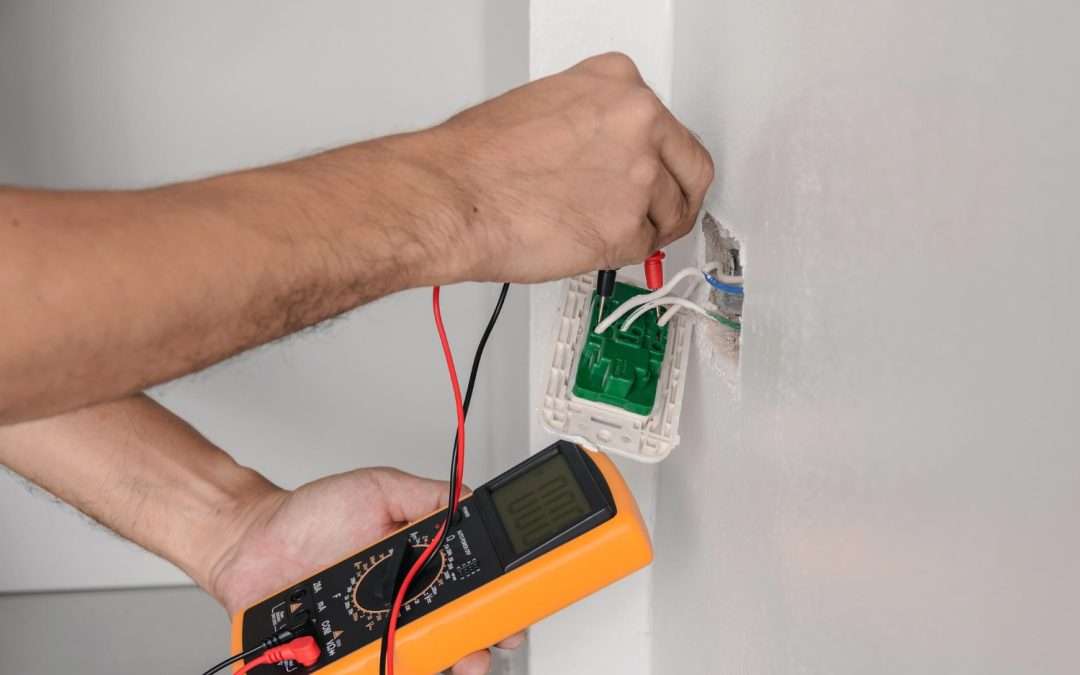
– Multimeters to check voltage, current, and resistance
– Clamp meters to measure current through individual wires
– Circuit testers to validate grounding and proper installation
– Thermal cameras to identify hotspots caused by wear or poor connections
The difference between guessing and measuring is big. While you might wonder why the lights dim when the AC kicks on or why an outlet makes odd clicking sounds, testing reveals the actual cause. It helps fill in those unseen gaps and reduces the chance of being caught off guard by a sudden problem.
After testing, you’ll either get results right away or shortly after. With those findings in hand, it’s easier to decide whether a small repair, total replacement, or an update is needed. And when a licensed electrician takes care of it, the work follows current codes and best practices. That makes a big difference, especially if you’re planning a remodel, prepping for a home sale, or working with insurers.
Benefits Of Regular Electrical Testing
Getting your home’s electrical system checked once isn’t always enough. Problems can grow slowly over time, and waiting until clear signs show up often leads to higher repair costs or stressful situations. Regular testing helps spot worn parts, misplaced connections, or weak points before they become dangerous or costly.
The peace of mind that comes from knowing everything is working right can change how you feel at home. You won’t need to second-guess flickering lights or wonder if your panel can handle a new dishwasher. Instead, you’ll know where your system stands.
Regular testing offers a few solid benefits:
– Cuts down the chance of electrical fires caused by hidden faults
– Keeps performance steady as more devices and appliances are added
– Reduces wiring wear by helping balance loads and avoid stress
– Keeps your switches, outlets, and panels up to code
– Helps you spot older parts that need to be replaced before they fail under pressure
It also keeps you ready for changes. If your electrician says your panel is at its limit, then you’re prepared to handle that before adding an EV charger or central AC. And for anyone thinking about selling, showing proof of recent tests is a good way to back up the safety and reliability of your home’s system.
Preparing For An Electrical Test
It doesn’t take a lot of work to get ready for a test, but a little prep can make everything go smoother when the electrician arrives. It clears the way for a better and faster job and can help you get more useful answers from the visit.
Start by making a list of anything you’ve noticed at home. This might include circuit breakers tripping, dead outlets, light switches that don’t do anything, or anything else unusual. It gives the technician a solid place to start.
Here’s how to prep before your appointment:
– Unlock and clear space around your main panel, outlets, and any fuse boxes
– Move items away from large appliances or wall units if needed
– Remove anything fragile near shelves or counters that might be jostled
– Gather old inspection reports or lists of past repairs if you have them
Then jot down any questions you’ve had in the back of your mind. You might be wondering if your home can support a tankless water heater or if your current wiring works with newer thermostats. A helpful technician will answer those clearly, not in confusing terms.
This kind of conversation doesn’t just help make the test smoother. It also gives you stronger info to decide what to handle first. With clear results and a good plan, staying ahead of any needed changes becomes a whole lot easier.
Maintain Home Safety with Professional Insight
Your electrical system doesn’t ask for much attention, but when something goes wrong, it demands it fast. Like your plumbing, roofing, or HVAC system, your electrical setup works in the background to keep your daily life comfortable. It just makes sense to keep it in good shape with regular check-ins.
Electrical testing shifts the guesswork out and puts real answers in your hands. It confirms your setup is ready for your needs or tells you what needs to change before issues grow. For households that rely on a lot of electronics or heating and cooling gear, staying ahead of electrical problems helps prevent those frustrating interruptions.
Homeowners who stay on top of testing aren’t going overboard. They’re just avoiding last-minute stress and unexpected costs. When it’s done by a licensed electrician, that simple service makes sure your home is ready, safe, and steady—just the way it should be.
Make sure your home stays safe and efficient by regularly checking its electrical system. Regular electrical testing can uncover hidden issues before they become big problems. Let the experts at Inlight Electric LLC handle it for you, ensuring that everything behind your walls is working smoothly and safely. Reach out today to schedule your test and keep your mind at ease.